Disc Herniation
A bulging or ruptured lumbar disc presses on nerve roots, producing sharp pain that often radiates into the buttock, thigh, or foot. Numbness and weakness are common companions.

The pain that wakes you up at night. The stiffness that makes getting out of bed an event. You have cycled through ibuprofen, muscle relaxers, and heating pads. You have been told to just take it easy. Our team finds what is actually driving your low back pain so you can stop managing it and start recovering from it.
Low back pain is rarely random. These are the most common structural and lifestyle drivers we identify during evaluation at our conditions practice in The Woodlands.
A bulging or ruptured lumbar disc presses on nerve roots, producing sharp pain that often radiates into the buttock, thigh, or foot. Numbness and weakness are common companions.

Compression or irritation of the sciatic nerve sends pain, tingling, or burning down the back of the leg. Treating the source disc, piriformis, or facet matters more than chasing the leg.

Bending at the waist instead of hinging at the hips overloads the discs. A single bad lift can produce months of pain when the cumulative load was already too high.

Slouching, prolonged sitting, and forward head carriage shift load onto the lumbar spine, fatiguing the deep stabilizers and irritating the facet joints.

Even low-speed collisions on I-45 generate enough force to bulge a disc or strain ligaments. Symptoms can appear days or weeks after the impact.

When the small joints at the back of the spine become arthritic or restricted, you feel a sharp, localized pain that worsens with extension or rotation.

Age-related narrowing of the spinal canal compresses the cord or nerve roots, producing leg pain or weakness that worsens with standing and walking.

Sudden twists, awkward postures, and overuse tear muscle fibers and stretch ligaments past their elastic limit. Most cases recover, but recurrence is the rule when the cause is left unaddressed.
Low back pain shows up differently depending on which structures are involved. Disc problems, facet irritation, and nerve compression each produce distinct patterns. Our evaluation identifies the true source.
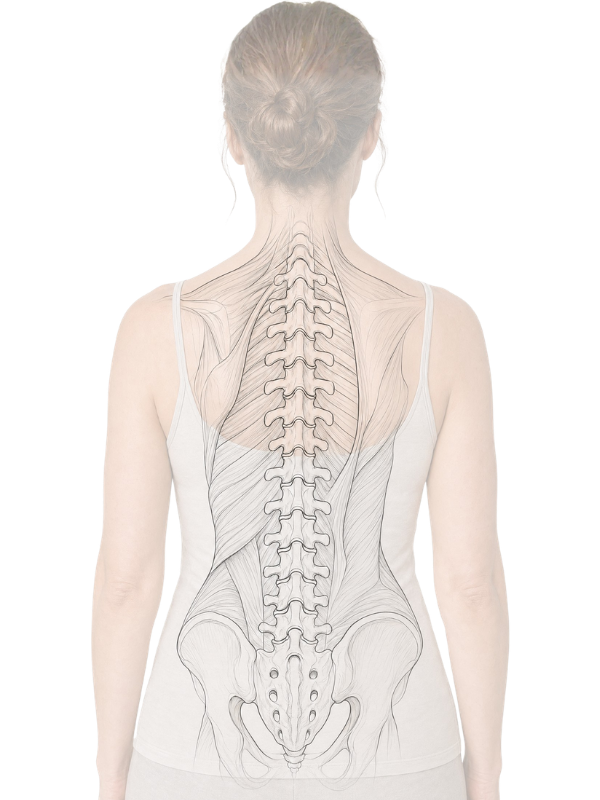
Lumbar Spine · Posterior View
Five common sites where structural or neurological dysfunction produces the symptoms at right.
Most clinics hand you a muscle relaxer and a six-week PT referral. If that fails, you discuss injections or surgery. We skip the guesswork. Our team performs a full spinal, neurological, and postural evaluation on day one to determine which structures are involved and whether non-surgical care can help you recover.
We evaluate disc health, facet function, pelvic alignment, and nerve integrity together. Pain in the low back often originates from dysfunction in the SI joint, hip, or thoracic spine that isolated treatment misses entirely.
Chiropractic correction, regenerative injections, and targeted rehabilitation work together. Each modality addresses a different layer of the problem so the spine heals structurally, not just symptomatically.
Every patient receives a clear treatment timeline with functional benchmarks. You will see documented progress in range of motion, pain levels, and daily function at each reassessment.
A structural, neurological, or musculoskeletal condition affecting the lumbar spine. Treated at Prince Health with chiropractic correction, regenerative medicine, and stem cell therapy to restore spinal function and reduce pain.
The lumbar spine carries the majority of your body weight through every step, lift, and rotation. Five vertebrae, their connecting discs, and a network of ligaments, muscles, and nerves provide both stability and mobility. That dual demand makes the low back one of the most vulnerable regions in the body. Roughly 80 percent of adults experience significant low back pain at some point, and the World Health Organization ranks it as the leading cause of disability worldwide.
Disc-related problems drive a large share of cases. Herniated and bulging discs compress spinal nerves, producing pain that radiates into the buttocks, hips, and legs. Degenerative disc disease reduces shock absorption over time, creating chronic instability that worsens with prolonged sitting. Many patients are told surgery is their only remaining option. Advances in regenerative medicine have created non-surgical alternatives that support tissue repair at the cellular level.
The pelvis and hip play a larger role than most people realize. Sacroiliac joint dysfunction, hip flexor tightness, and gluteal weakness change the way forces travel through the lumbar spine. A 2021 study in the Journal of Orthopaedic and Sports Physical Therapy found that patients with chronic low back pain had 26 percent less hip extension strength than pain-free controls. That is why chiropractic treatment at Prince Health evaluates the pelvis, hip, and thoracic spine alongside the lumbar region.
Lifestyle factors compound the structural problem. The Woodlands is home to thousands of desk workers and commuters who spend eight or more hours seated each day. Prolonged sitting loads lumbar discs at pressures significantly higher than standing, weakens core stabilizers, and shortens hip flexors. Over months and years, these patterns accelerate disc degeneration and create the conditions for recurring pain episodes.
Your treatment plan may include one or more of the following therapies, selected based on your evaluation results and the specific lumbar structures involved.
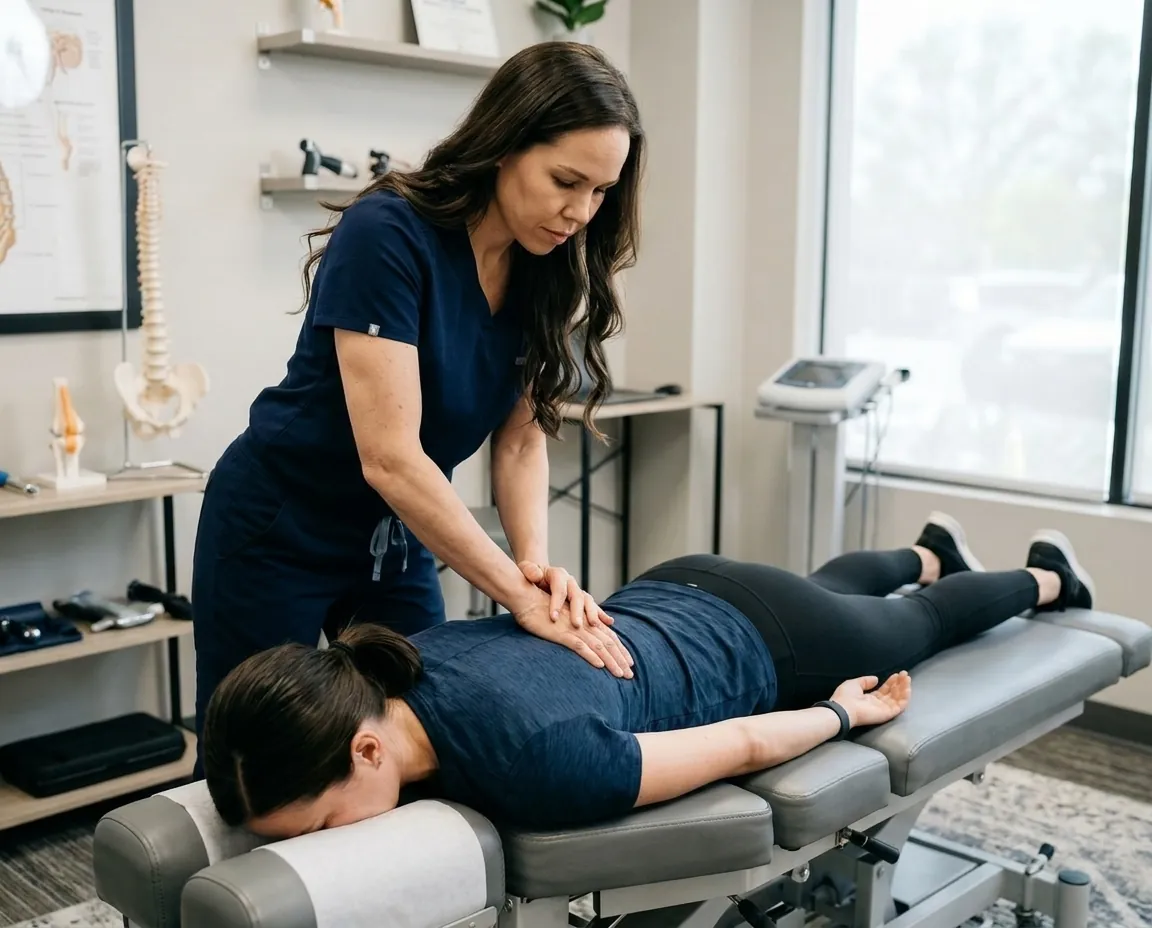
Precise lumbar adjustments restore proper spinal alignment and joint mechanics, reducing nerve interference and relieving the muscle guarding that locks the low back into pain cycles.

Regenerative injections deliver growth factors and anti-inflammatory compounds directly to damaged spinal structures, supporting tissue repair at the cellular level for disc and joint degeneration.
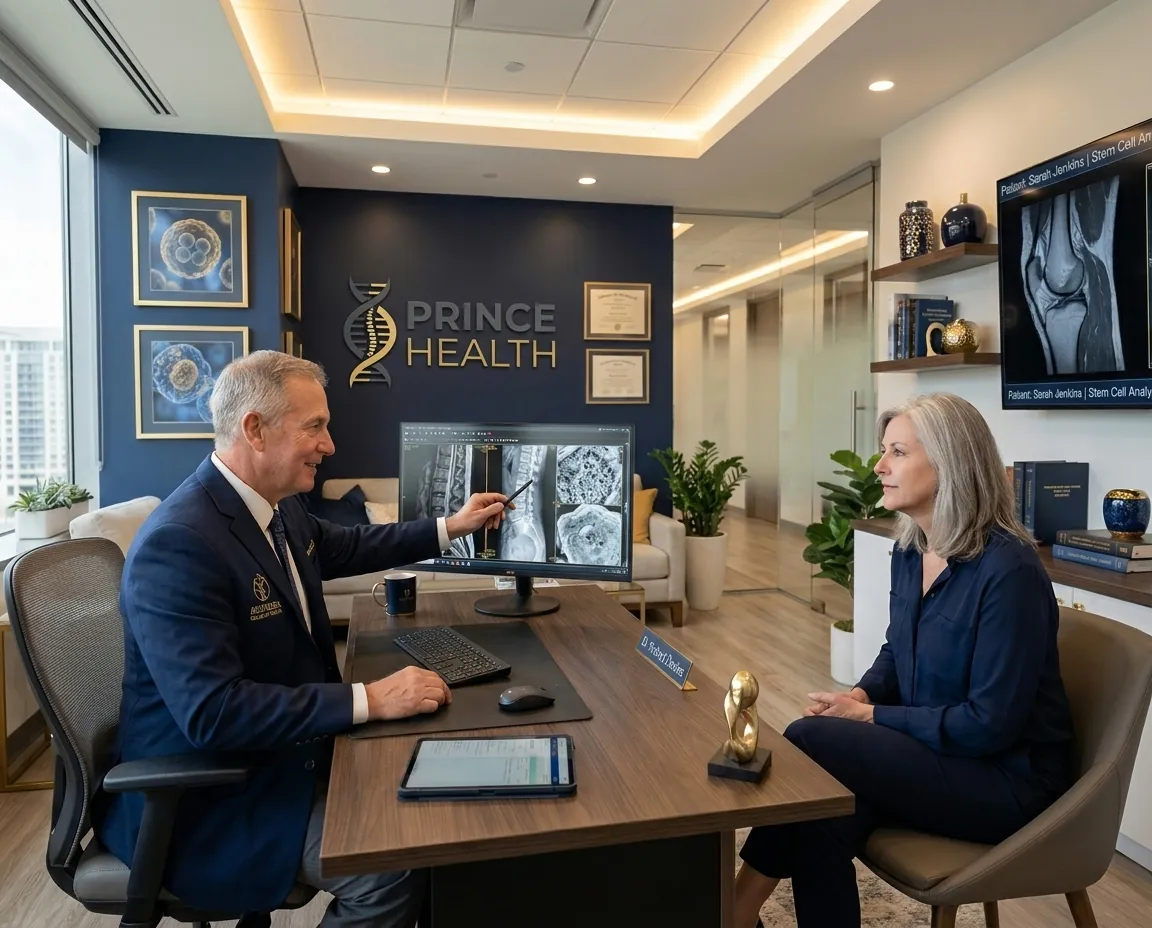
Stem cell therapy targets chronic disc damage and facet degeneration with concentrated regenerative cells, supporting structural repair without the risks and downtime of spinal surgery.
Four steps from first visit to documented progress. The same protocol every patient gets, regardless of how busy the clinic is.
Detailed spinal examination including orthopedic and neurological testing, disc provocation, pelvic stability screening, and postural analysis to identify every contributing factor.

Review of existing imaging or referral for MRI and X-ray to assess disc integrity, spinal alignment, and nerve involvement. Imaging guides treatment selection.
A clear plan combining chiropractic correction, regenerative therapies, core rehabilitation, and ergonomic modifications tailored to your diagnosis and daily demands.

Regular reassessment of pain levels, range of motion, strength, and functional ability to confirm improvement and refine your treatment plan at each milestone.
Schedule your evaluation at Prince Health in The Woodlands, TX. We assess your spine, identify the root cause, and determine whether chiropractic and regenerative options are right for you.
The most effective approach depends on the cause. Chiropractic treatment corrects spinal misalignment, while regenerative medicine can repair damaged discs and soft tissue. We identify the specific source before recommending a treatment path.
Seek immediate care if back pain is accompanied by leg weakness, numbness, loss of bowel or bladder control, fever, or unexplained weight loss. Pain that follows a fall or accident, or progressively worsens despite rest, also warrants prompt evaluation.
Back pain stays localized in the lumbar region. Sciatica involves nerve compression that sends shooting pain, numbness, or tingling down one or both legs. The distinction matters because the treatment approach differs significantly.
In many cases, yes. Chiropractic correction, spinal decompression, and stem cell therapy can address disc issues, joint degeneration, and nerve compression without surgical intervention. A proper diagnostic evaluation determines whether conservative care is appropriate for your condition.
Core strengthening, proper lifting mechanics, posture correction, and periodic chiropractic maintenance form the foundation of prevention. We build a maintenance plan based on your specific risk factors, daily activities, and workplace demands.
Most insurance plans cover chiropractic care for back pain, though benefit levels and visit limits vary. Contact our office to verify your specific coverage before your first appointment. We can also discuss self-pay options for patients who want treatment beyond their plan limits.
Recovery timelines depend on the cause, severity, and how long you have had the pain. Many patients experience significant improvement within 4 to 8 weeks of consistent treatment. We use objective functional assessments, not just pain scores, to measure your progress.
Low back pain rarely travels alone. These related conditions share the structural and neurological pathways we address.

Comprehensive evaluation and treatment for acute and chronic neck pain through spinal alignment, soft tissue therapy, and nervous system restoration.

Targeted evaluation and treatment for shoulder pain including rotator cuff issues, frozen shoulder, impingement, and repetitive strain injuries.

Non-surgical evaluation and treatment for knee pain through regenerative medicine, stem cell therapy, and functional rehabilitation.

Root-cause evaluation and treatment for migraines and chronic headaches through chiropractic care, functional medicine, and nervous system restoration.
Our office is located at 10847 Kuykendahl Rd #350 in The Woodlands, TX 77382, easily accessible from Woodlands Parkway, Kuykendahl Road, and the I-45 corridor.
We serve patients from Alden Bridge, Cochran's Crossing, Creekside Park, Sterling Ridge, Panther Creek, Grogan's Mill, and surrounding communities.
10847 Kuykendahl Rd #350
The Woodlands, TX 77382
Schedule your appointment at Prince Health in The Woodlands, TX. We listen first, evaluate thoroughly, and build a plan that fits your goals.