Cervical Spine Misalignment
Upper cervical vertebrae sit in close proximity to the brainstem and cranial nerves that influence auditory processing. Misalignment in this region creates neural interference the brain may interpret as phantom sound.
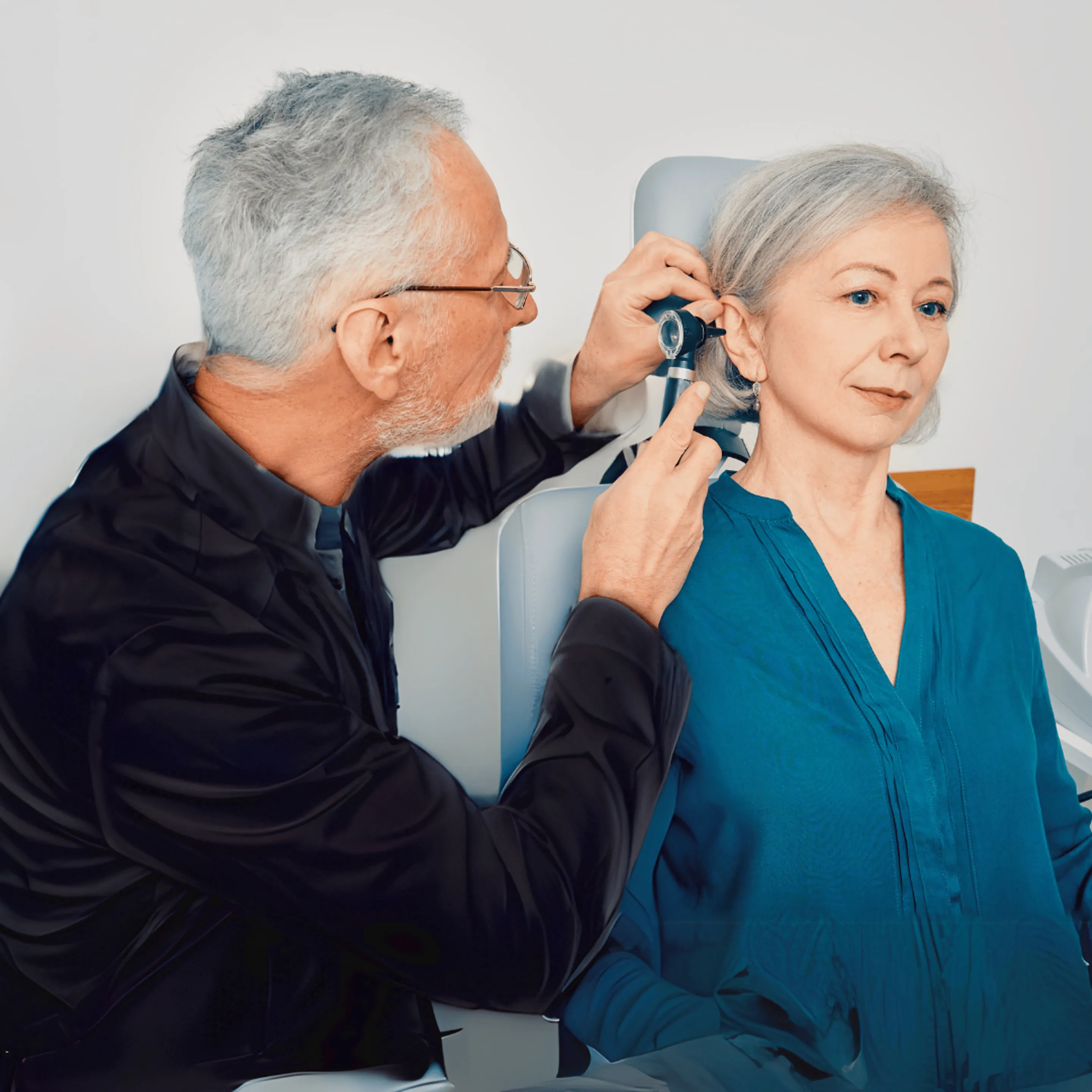
The ringing never stops. It follows you into every quiet room, every conversation, every attempt at sleep. You have been told to learn to live with it. Our team investigates the structural, metabolic, and neurological factors that drive tinnitus to find what is actually correctable in your case.
Tinnitus is a symptom, not a diagnosis. These are the most common contributing factors we identify during evaluation across our conditions practice in The Woodlands.
Upper cervical vertebrae sit in close proximity to the brainstem and cranial nerves that influence auditory processing. Misalignment in this region creates neural interference the brain may interpret as phantom sound.

The temporomandibular joint shares neural pathways with the auditory system. Chronic clenching, teeth grinding, and TMJ dysfunction generate tension that can trigger or amplify tinnitus signals.

Prolonged or sudden exposure to loud sound damages hair cells inside the cochlea. Once damaged, those cells send aberrant electrical signals to the brain that register as ringing, buzzing, or hissing.

Chronic stress locks the nervous system into a sympathetic-dominant state. The heightened state of alert amplifies the brain's sensitivity to internal signals, making tinnitus louder and more intrusive.

Certain antibiotics, high-dose NSAIDs, loop diuretics, and some antidepressants are ototoxic. These medications can damage inner ear structures or alter neural signaling in ways that produce or worsen tinnitus.

Thyroid dysfunction, blood sugar instability, cardiovascular changes, and nutrient deficiencies in zinc, B12, and magnesium all influence inner ear function. Houston-area residents face additional cumulative noise exposure from highway traffic, construction, and industrial corridors.

Tinnitus affects roughly 1 in 3 adults over 65, often appearing alongside the gradual high-frequency hearing decline of presbycusis. As hearing input drops, the auditory cortex compensates by amplifying its own internal noise.

Impacted earwax, middle-ear infections, eustachian tube dysfunction, and fluid buildup behind the eardrum all change how sound reaches the inner ear. These causes are often the most reversible. Addressing the obstruction often resolves the tinnitus.

Concussions, whiplash, blast exposure, and direct injury to the ear canal or eardrum can disrupt the auditory pathway from inner ear hair cells all the way to the brainstem. Tinnitus is one of the most common lasting symptoms after head injury.
Tinnitus presents differently from person to person. The sound itself varies. So does the way it shapes daily life. Our evaluation looks at both.
"Silence becomes the rarest thing in your life. Every quiet room turns loud. You stop choosing rest because rest is when the ringing wins. Tinnitus is not just a noise. It is a constant negotiation with your own nervous system."
Most tinnitus patients are told nothing can be done. That is not true. The ringing is a symptom with identifiable contributing factors. We systematically evaluate cervical alignment, TMJ involvement, metabolic markers, and nervous system regulation to find what is actually correctable.
We evaluate cervical alignment, TMJ function, noise exposure history, medication use, stress patterns, and metabolic markers to identify every contributing factor at once rather than treating tinnitus as a single mystery.
Chiropractic adjustments address upper cervical misalignment and reduce neural interference in the region that influences cranial nerve function and auditory signal processing at the brainstem level.
Functional medicine evaluation investigates thyroid function, inflammatory markers, blood sugar regulation, and nutrient levels including zinc, B12, and magnesium to find correctable metabolic drivers most ENTs never test for.
Tinnitus is the perception of ringing, buzzing, or other sounds without an external source. Treated at Prince Health through chiropractic treatment and functional medicine to address the structural and metabolic factors that drive the condition.
Tinnitus is not a disease. It is a signal from the nervous system that something else is off. The sound may present as ringing, buzzing, hissing, clicking, or pulsing. It may stay constant or come and go. Some people hear it in one ear. Others hear it in both. The volume ranges from a faint background tone to a sound so loud it drowns out conversation.
Noise-induced hearing damage is the most recognized cause. Damaged hair cells inside the cochlea send aberrant electrical signals to the brain, and the brain interprets those signals as sound. This is the type of tinnitus most ENTs focus on. It is also the type most often dismissed as permanent. What gets overlooked are the structural, metabolic, and neurological factors that amplify or even originate the signal independently of hearing loss.
The upper cervical spine plays a larger role than most patients realize. Vertebrae in the C1-C2 region sit millimeters from the brainstem and share neural connections with the auditory processing centers. Misalignment here can create interference the brain registers as phantom sound. A 2020 review in the Journal of Clinical Medicine found cervical spine dysfunction in a significant percentage of tinnitus patients and showed chiropractic correction of upper cervical subluxations reduced severity in many cases.
Metabolic imbalances compound the problem. Thyroid dysfunction alters blood flow to the inner ear. Zinc, B12, and magnesium deficiencies impair nerve conduction. Blood sugar instability creates inflammation that affects auditory pathways. We commonly identify these alongside related conditions such as thyroid malfunction, and functional medicine testing exposes them so they can be corrected directly.
Your treatment plan may include one or both of the following therapies, selected based on your evaluation results and the specific contributing factors identified.
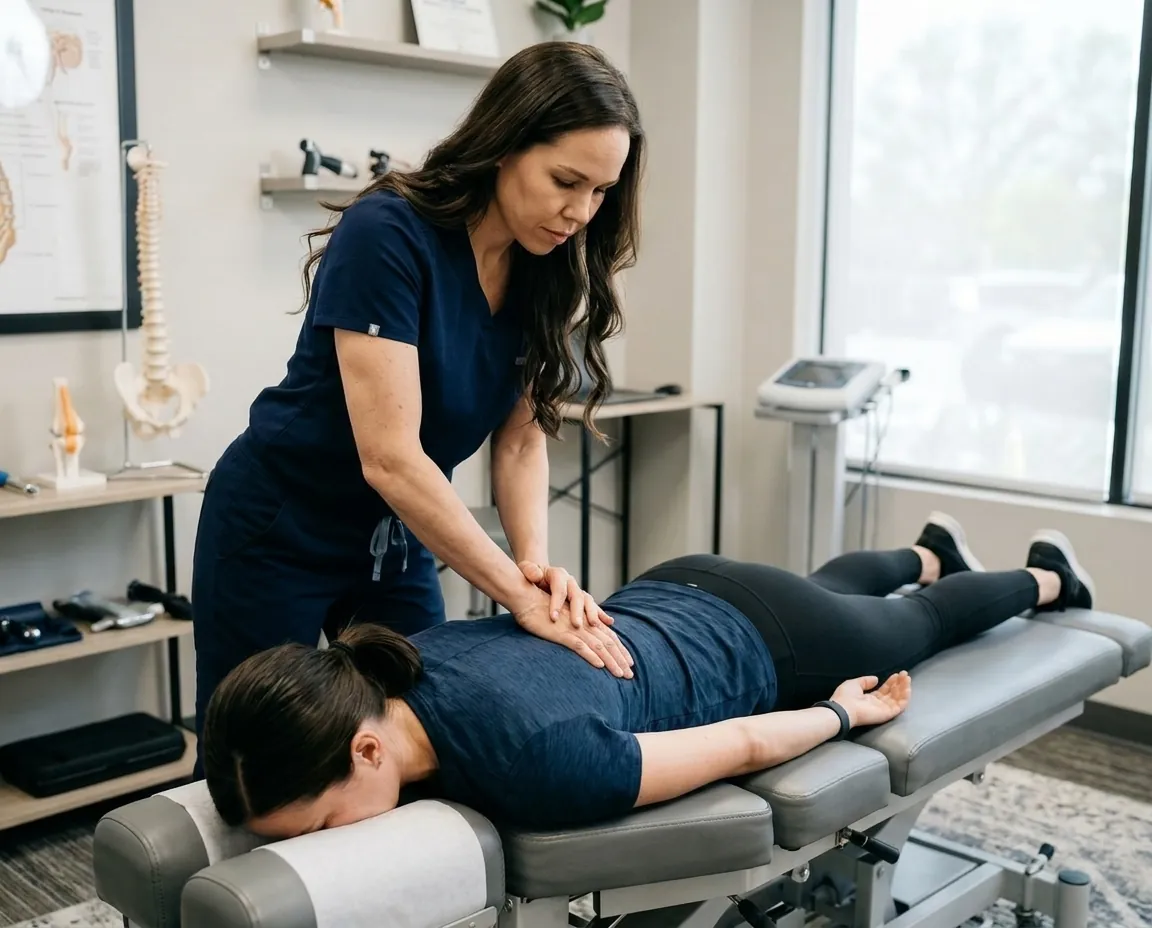
Chiropractic adjustments target upper cervical misalignments that influence cranial nerve function and auditory processing, reducing the neural interference that contributes to tinnitus perception.

Functional medicine investigation identifies metabolic contributors to tinnitus including thyroid dysfunction, nutrient deficiencies, inflammatory markers, and blood sugar instability.
Four steps from first visit to a documented reduction in tinnitus volume, frequency, and impact. The same protocol every patient receives.
Detailed tinnitus history, upper cervical and TMJ assessment, noise exposure review, medication audit, and screening for associated symptoms like hearing loss, dizziness, or ear fullness.

Targeted lab panels evaluate thyroid function, inflammatory markers, nutrient levels, and metabolic factors that influence tinnitus severity and persistence.

A targeted plan addressing cervical alignment, jaw tension, nutritional deficiencies, stress regulation, and any other contributing factors specific to your tinnitus pattern.

Regular reassessment of tinnitus volume, frequency, and impact on daily function alongside cervical evaluation and lab retesting to confirm improvement.
Schedule your evaluation at Prince Health in The Woodlands, TX. We investigate the structural and metabolic factors behind your tinnitus and build a plan to reduce its impact on your life.
Persistent tinnitus can result from cervical spine misalignment, TMJ dysfunction, noise exposure, medication side effects, or neurological changes. In many cases, multiple factors combine to amplify the signal. Our evaluation identifies which contributors are active in your case.
There is no universal cure, but tinnitus can be significantly reduced in many patients. Our approach evaluates and treats contributing factors like cervical spine alignment, jaw tension, and metabolic imbalances through chiropractic care and functional medicine.
The upper cervical spine and jaw directly influence auditory nerve pathways. Misalignment in this region can create or amplify tinnitus signals. Chiropractic adjustments targeting the cervical spine and TMJ can reduce the intensity and frequency of ringing in many patients.
Stress is the most commonly reported trigger for tinnitus flares. Noise exposure, jaw clenching, caffeine, certain medications (including some antibiotics and anti-inflammatories), sleep deprivation, and neck tension can all worsen symptoms.
Seek evaluation if tinnitus is persistent, worsening, or accompanied by hearing loss, dizziness, or ear pain. Sudden onset ringing in one ear should be evaluated promptly, as it can indicate a condition requiring immediate attention.
Most insurance plans cover chiropractic evaluation and the initial diagnostic workup for tinnitus. Coverage for ongoing treatment varies by plan. Contact our office to verify your specific benefits before your first visit.
Yes. Our approach uses gentle, non-invasive techniques appropriate for all ages. Older adults often have multiple contributing factors including cervical degeneration and medication interactions. We evaluate the full picture to create a safe, targeted treatment plan.
Several non-medication strategies have evidence behind them. Mindfulness, meditation, and structured relaxation reduce the stress reactivity that amplifies tinnitus signals. Sound therapy — low-volume background noise, white noise machines, or curated soundscapes — helps the brain stop fixating on the ringing. Targeted nutrition matters too: magnesium, zinc, B12, and ginkgo biloba have research support, and reducing caffeine, alcohol, sodium, and refined sugar often dampens flares. Daily movement, blood-sugar stability, and sleep hygiene round out the foundation. Our functional medicine evaluation identifies which of these levers will move the needle in your specific case.
Tinnitus shares neurological and cervical pathways with several conditions we treat. Addressing the structural and inflammatory drivers often quiets the ringing along with the related symptoms.

Root-cause evaluation and treatment for migraines and chronic headaches through chiropractic care, functional medicine, and nervous system restoration.

Evaluation and treatment for vertigo and dizziness through chiropractic care, vestibular assessment, and nervous system restoration.

Comprehensive evaluation and treatment for acute and chronic neck pain through spinal alignment, soft tissue therapy, and nervous system restoration.

Comprehensive evaluation and multi-modal treatment for acute and chronic Lyme disease through functional medicine, IV therapies, and immune system support.
Our office is located at 10847 Kuykendahl Rd #350 in The Woodlands, TX 77382, easily accessible from Woodlands Parkway, Kuykendahl Road, and the I-45 corridor.
We serve patients from Alden Bridge, Cochran's Crossing, Creekside Park, Sterling Ridge, Panther Creek, Grogan's Mill, and surrounding communities.
10847 Kuykendahl Rd #350
The Woodlands, TX 77382
Schedule your appointment at Prince Health in The Woodlands, TX. We listen first, evaluate thoroughly, and build a plan that fits your goals.