What is regenerative medicine? It is a field that uses biological tools, such as platelets, growth factors, and cells, to support the body's own repair of damaged tissue. In joint and soft tissue care, the best-known options are PRP, made from your own blood, and cell-based treatments. Whether either one fits depends on the tissue involved, imaging, your history, and your goals.
When patients ask what is regenerative medicine, they're usually asking a more personal question: can damaged tissue be supported without moving straight to surgery or repeating short-term pain relief?
That question often comes up after joint pain, tendon irritation, or a ligament injury keeps interfering with normal movement. A shoulder may feel unstable. A knee may swell after activity. A low back issue may keep returning. At that point, patients want a clear explanation of what's happening inside the tissue and what kind of care may actually fit their case.
What Is Regenerative Medicine?
Regenerative medicine is a field that uses biological tools, such as cells, growth factors, and biomaterials, to help the body repair or replace damaged tissue. A review in the Proceedings of the National Academy of Sciences describes it as an interdisciplinary field that applies engineering and life science principles to promote regeneration. In bone, joint, and soft tissue care, the same idea is often called orthobiologics, or orthopedic regenerative medicine, and the American Academy of Orthopaedic Surgeons lists PRP and cell-based treatments among its examples.
Regenerative care uses concentrated biological signals, such as growth factors, platelets, and cellular repair components, to support the body's own healing response at the site of injury.
This is different from care that only focuses on lowering pain for a short time. A repair-focused approach asks which structure is damaged, how severe the problem is, and whether treatment can be delivered precisely enough to make sense.
At Prince Health, the process begins with diagnostic evaluation, imaging review when available, and candidacy screening before a procedure is recommended. That helps keep the conversation specific to the patient instead of treating every joint or soft tissue problem the same way.
Tissue Clarity
The first question is what structure appears involved. Cartilage thinning, tendon injury, ligament strain, and joint degeneration don't all behave the same way. A careful exam and imaging review can help define the target before treatment is considered.
Candidacy
A procedure should match the patient, the condition, and the expected healing response. Age of injury, severity, overall health, prior care, and activity demands can all shape that decision.
Follow-Up
Progress should be tracked with more than a general pain rating. Range of motion, functional capacity, activity tolerance, and imaging when appropriate can help show whether the tissue is responding over time.
Why Does Pain Keep Returning After Temporary Relief?
Pain often comes back when the affected tissue hasn't had enough biological support to settle and repair. Cartilage, tendons, ligaments, and joint surfaces all respond to load. When one of those structures is irritated, the body may tighten nearby muscles, limit motion, and shift stress into other areas.
That protective response can help at first. Over time, it can make movement less efficient. The joint may feel guarded. A tendon may react to activity that used to feel normal. The nervous system may stay more alert because the area still feels unsafe under stress.
Conventional care for these problems usually moves from rest, medication, and physical therapy toward cortisone injections and, eventually, a surgical opinion. Regenerative options are typically discussed in the space between those steps. For patients weighing regenerative injections for joints, tendons, and ligaments, the first step is usually identifying the tissue involved and whether the body has enough healing capacity to respond to a targeted procedure.
PRP vs Stem Cell Therapy: How They Differ
Patients often hear several terms in the same conversation, which can make the category feel confusing. Regenerative therapy is the broader idea. PRP and stem cell-based treatments are examples that may be considered when the clinical picture supports them.
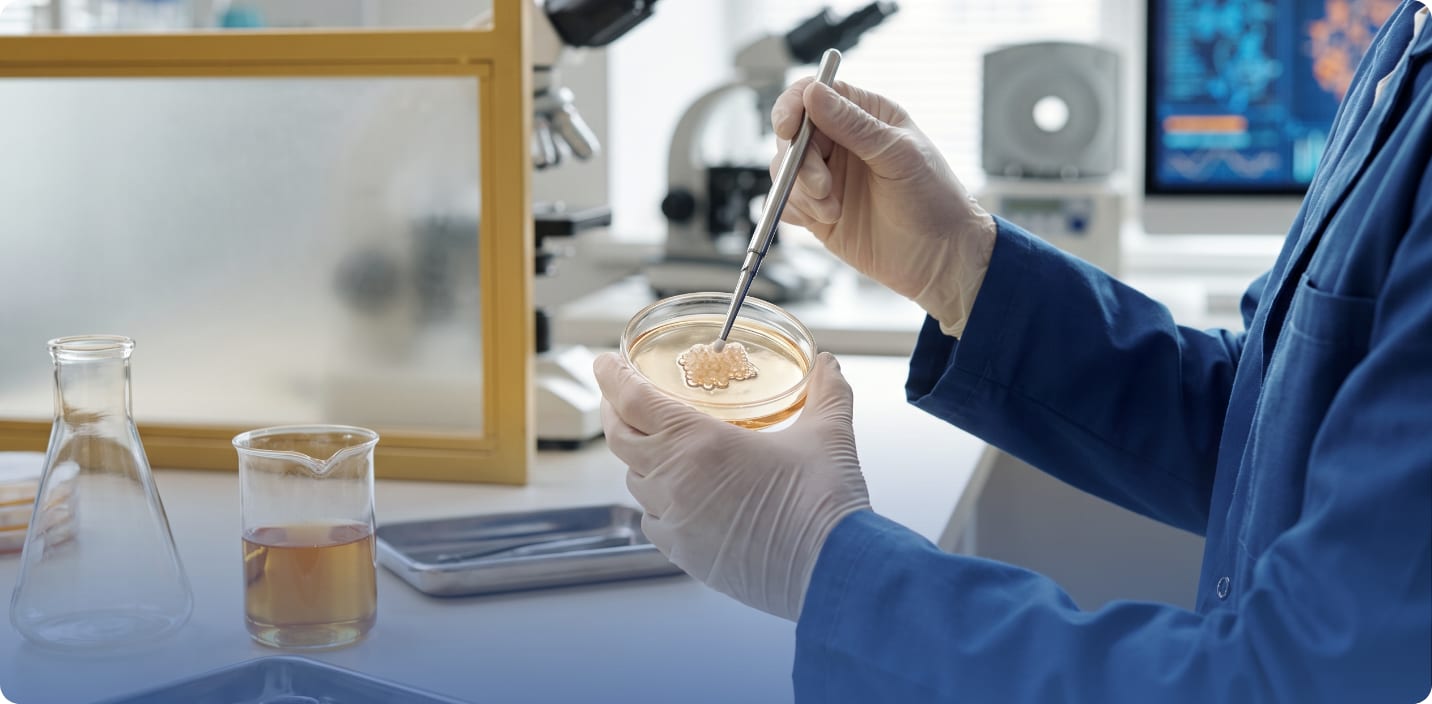
PRP regenerative care uses platelet-rich plasma, which comes from the patient's own blood and contains growth factors involved in repair signaling. As OrthoInfo explains, a blood sample is spun in a centrifuge to concentrate the platelets, often to 5 to 10 times their usual level, before the preparation is injected at the injured site. Stem cell regenerative treatment involves cellular components that may be considered for certain joint, tendon, ligament, or soft tissue concerns after screening. No stem cell product is FDA-approved for these orthopedic uses, and the FDA warns consumers about unapproved regenerative products, so screening includes a clear conversation about what the therapy can and cannot do.
Here is how the two compare on the points patients ask about most:
- What it is: PRP is a concentrate of your own platelets and growth factors. Stem cell care uses cellular components selected after screening.
- Evidence so far: OrthoInfo reports the strongest support for PRP in certain chronic tendon injuries, such as tennis elbow, and in low- to moderate-grade knee osteoarthritis. Cell-based treatments for joints and tendons are still being studied, and Hospital for Special Surgery notes that ongoing trials are too early to judge.
- Regulatory status: The FDA states that the only stem cell products it has approved are blood-forming cells from umbilical cord blood for blood disorders.
The important part is fit. The name of the procedure doesn't matter as much as whether the tissue target, patient history, imaging, and functional goals support that option.
When May Regenerative Care Be Considered?
Regenerative procedures may be discussed when chronic joint pain, tendon irritation, ligament damage, or musculoskeletal discomfort hasn't improved enough with conservative care. They may also come up when a patient wants to understand what could be reviewed before surgery becomes the next major step.
Regenerative care may be useful when the tissue still has enough capacity to respond, the target is clear, and follow-up can measure progress in a meaningful way.
This is where regenerative options can become part of a more practical decision. Instead of repeating the same temporary steps, patients can review whether a repair-focused procedure belongs in the overall strategy.
What Should a Regenerative Medicine Visit Clarify?
A regenerative medicine visit should help answer a few direct questions. What tissue appears damaged? How advanced is the issue? Has imaging already shown cartilage, tendon, ligament, or joint involvement? What has been tried before? How is the problem affecting daily movement?
The evaluation may include an exam of the affected area, review of existing imaging, discussion of prior treatment, and assessment of overall health. If treatment appears appropriate, the procedure is performed in office, usually without general anesthesia. Many patients return to light activity the same day, based on the guidance they receive.
Follow-up is part of the process. Most patients receive 1 to 3 treatments spaced several weeks apart, depending on the condition and how the tissue responds. Functional milestones can show whether the body is responding and whether the plan needs to continue, pause, or change.
What This Looks Like in The Woodlands
Our office is located at 10847 Kuykendahl Rd #350 in The Woodlands, TX 77382. The location is accessible from Kuykendahl Road, Woodlands Parkway, and the I-45 corridor, which can make visits easier for patients coming from Alden Bridge, Cochran's Crossing, Creekside Park, Sterling Ridge, Panther Creek, Grogan's Mill, and nearby communities. A repair-focused approach often includes a consultation, imaging review, an in-office procedure, and follow-up, so the process works best when appointments fit into the patient's real schedule.
A Clearer Next Step
The best way to answer what is regenerative medicine for your own case is to look at the diagnosis, the tissue involved, and the body's ability to respond. For selected patients, regenerative care may help support repair in joints, tendons, ligaments, or soft tissue structures. The process should begin with careful screening and a realistic conversation about fit.
If pain or soft tissue damage has been limiting your routine, schedule a consultation to review whether a regenerative approach makes sense for your case.
Frequently Asked Questions
What are examples of regenerative medicine?
In orthopedic care, the American Academy of Orthopaedic Surgeons lists platelet-rich plasma (PRP), stem cell treatments, and viscosupplementation products for arthritis as examples. Beyond orthopedics, the field includes tissue engineering and biomaterials research aimed at repairing or replacing damaged tissues and organs. At Prince Health, regenerative care focuses on joint, tendon, ligament, and soft tissue concerns.
Is regenerative medicine legitimate?
Regenerative medicine is an active medical field with published research, and some uses, such as PRP for certain tendon problems and mild to moderate knee osteoarthritis, have growing support. It also has limits. The FDA warns that no stem cell or exosome product is approved for orthopedic conditions, so a careful provider screens each patient and explains what a therapy can and cannot do.
Is regenerative medicine covered by insurance?
Usually not. Most insurance plans do not cover stem cell therapy, and OrthoInfo notes that few plans provide even partial reimbursement for PRP. Coverage depends on your plan and the specific treatment, so it is reviewed during your consultation, where pricing is explained before any procedure is scheduled.
What is the difference between PRP and stem cell therapy?
PRP uses platelets concentrated from your own blood to deliver growth factors to an injured area. Stem cell therapy uses cellular components and is still being studied for most orthopedic uses, with no FDA-approved product for these conditions. Which option fits, if either, depends on the tissue involved, imaging, your history, and your functional goals.
How does regenerative medicine work?
Regenerative treatments place concentrated biological signals, such as growth factors and platelets, at the site of an injury to support the body's own repair response. Laboratory studies suggest the higher concentration of growth factors in PRP may speed healing, although exactly how PRP works is not yet clear. Results depend on whether the tissue still has enough capacity to respond.
Schedule an Appointment Today
Get optimized and highly effective care for your condition by visiting our office in The Woodlands, TX.