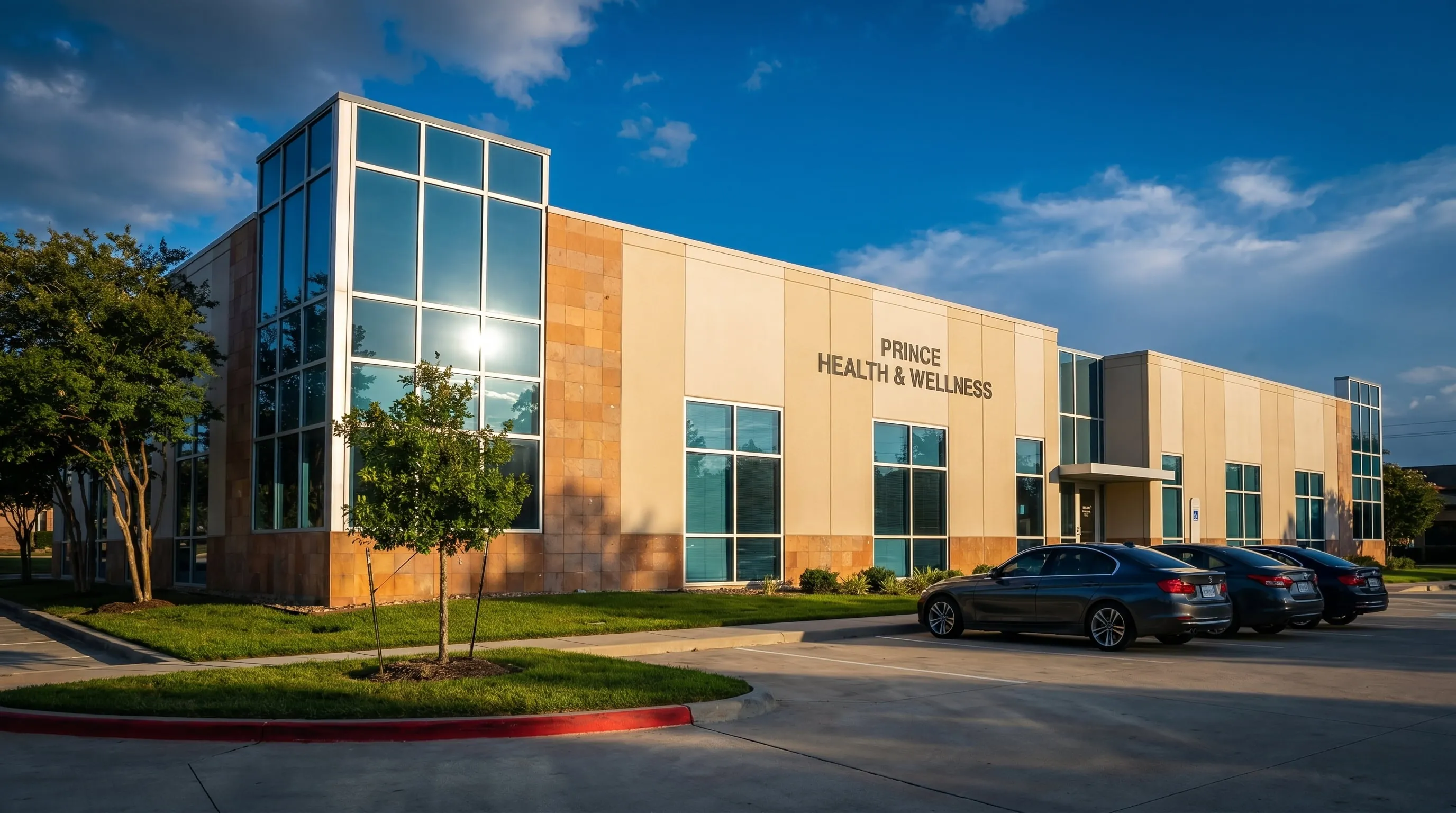
Arthritis
Osteoarthritis is the most common cause of chronic knee pain over 50. Cartilage thinning narrows the joint space, producing pain, stiffness, and creaking that worsen with activity.
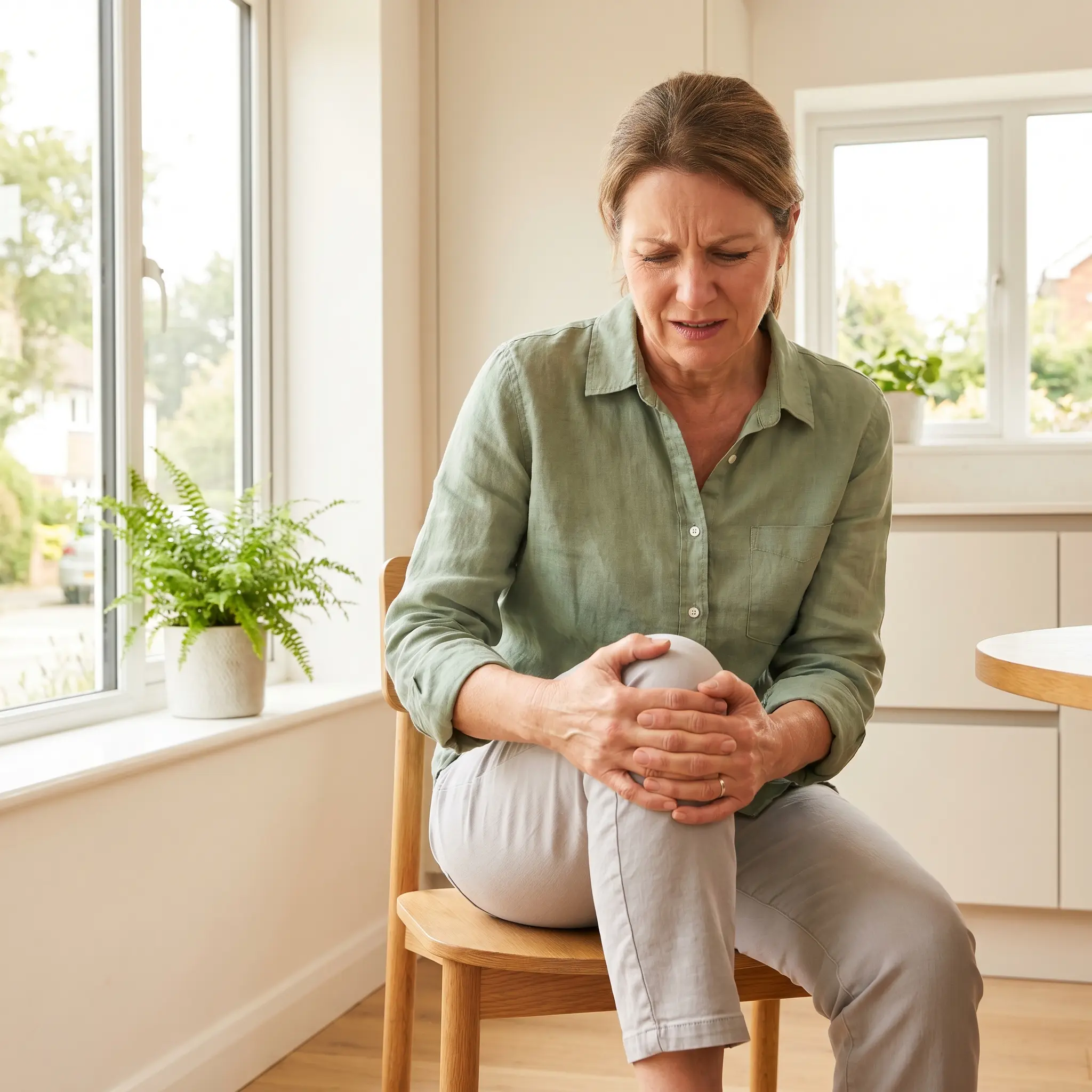
You have tried rest, ice, braces, and anti-inflammatories. The pain keeps coming back. You have been told to lose weight, take cortisone, or schedule a replacement. Our team evaluates the entire kinetic chain, not just the joint, to find what is actually driving your knee pain and build a plan for real recovery.
Knee pain rarely has a single cause. These are the most common drivers we identify during evaluation at our conditions practice in The Woodlands.
Osteoarthritis is the most common cause of chronic knee pain over 50. Cartilage thinning narrows the joint space, producing pain, stiffness, and creaking that worsen with activity.

Sprains, strains, ACL or MCL tears, and meniscal damage from sports or falls can produce immediate or delayed pain. Imaging plus exam clarifies which structures need intervention.

Twisting injuries with the foot planted tear the meniscal cartilage. Symptoms include catching, locking, and pain along the joint line.

Inflammation of the prepatellar or pes anserine bursa from kneeling, repetitive friction, or infection produces localized swelling and tenderness.

A sudden increase in mileage, poor squat form, or running through fatigue stresses the joint past its tolerance. Most overuse knee pain resolves with smarter loading, not more rest.

Patella, femur, or tibial plateau fractures from falls or high-energy impacts disrupt joint mechanics. Even healed fractures often leave residual stiffness or arthritis.
Knee pain symptoms vary in type and severity depending on the underlying cause. Our evaluation identifies which structures are involved so treatment matches the actual source.
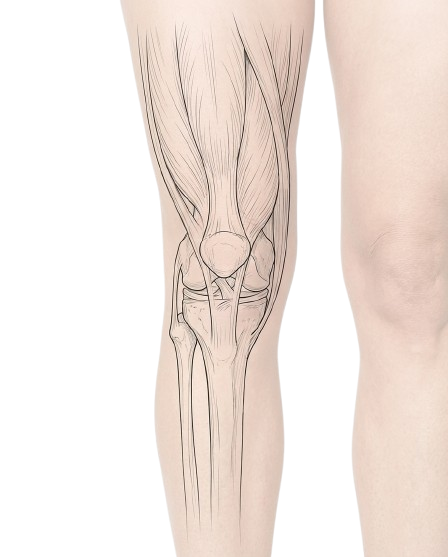
Knee Joint · Anterior View
Five common sites where structural injury or joint dysfunction produces the symptoms at right.
Most clinics evaluate the knee in isolation. They take an X-ray, confirm arthritis, and hand you a referral for cortisone or surgery. Our team assesses joint integrity, functional movement, and the entire kinetic chain to determine which structures are involved and whether regenerative approaches can help you avoid the operating room.
We evaluate the hip, ankle, lumbar spine, and knee together. Weakness or restriction in adjacent joints often drives knee dysfunction that isolated treatment misses entirely.
Growth factors and cellular signaling molecules delivered directly to damaged tissue. This supports repair at the biological level, not just symptom masking with cortisone injections.
Every patient receives a clear treatment timeline with functional benchmarks. You will see documented progress in range of motion, strength, and pain levels at each reassessment.
A degenerative or traumatic condition affecting the knee joint's cartilage, ligaments, tendons, or surrounding structures. Treated at Prince Health with non-surgical regenerative medicine and stem cell therapy to restore function and reduce pain.
The knee bears your full body weight through every step, squat, and stair climb. It is the largest and most complex joint in the body, combining load-bearing capacity with a wide range of motion. That combination makes it vulnerable to injury, wear, and dysfunction at every age.
Osteoarthritis is the leading cause of knee pain in adults over 50. The cartilage that cushions the joint surfaces breaks down progressively, leading to bone-on-bone contact, chronic inflammation, and pain that worsens with activity. Many patients are told joint replacement is inevitable. Advances in regenerative medicine have created alternatives that may delay or eliminate that timeline.
Athletes and younger patients more commonly present with ligament injuries (ACL, MCL), meniscus tears, patellar tracking disorders, and overuse syndromes like patellar tendinopathy. These conditions respond well to a combination of rehabilitation and stem cell therapy, particularly when treatment begins before chronic compensatory patterns develop.
Knee pain rarely exists in isolation. The hip, ankle, and lumbar spine all influence knee mechanics. Hip abductor weakness, hip flexor tightness, ankle mobility restrictions, and spinal misalignment can all create abnormal forces at the knee. A 2019 study in the Journal of Orthopaedic and Sports Physical Therapy found that hip strengthening reduced knee pain by 40 percent in patients with patellofemoral syndrome. That is why our evaluation assesses the entire kinetic chain, not just the knee itself.
Your treatment plan may include one or both of the following therapies, selected based on your evaluation results and the specific knee structures involved.
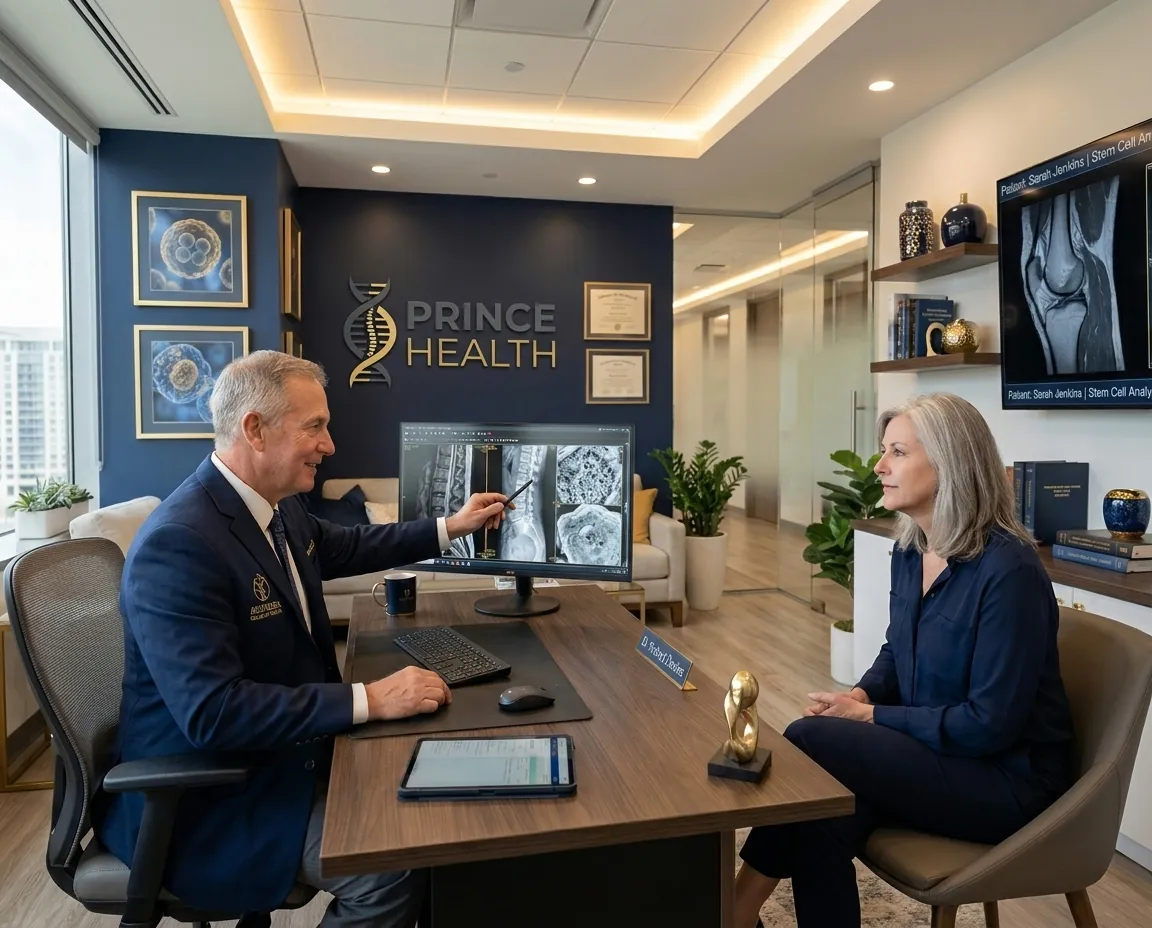
Stem cell therapy delivers concentrated regenerative cells directly to damaged knee structures, supporting cartilage repair and reducing inflammation without surgical intervention.
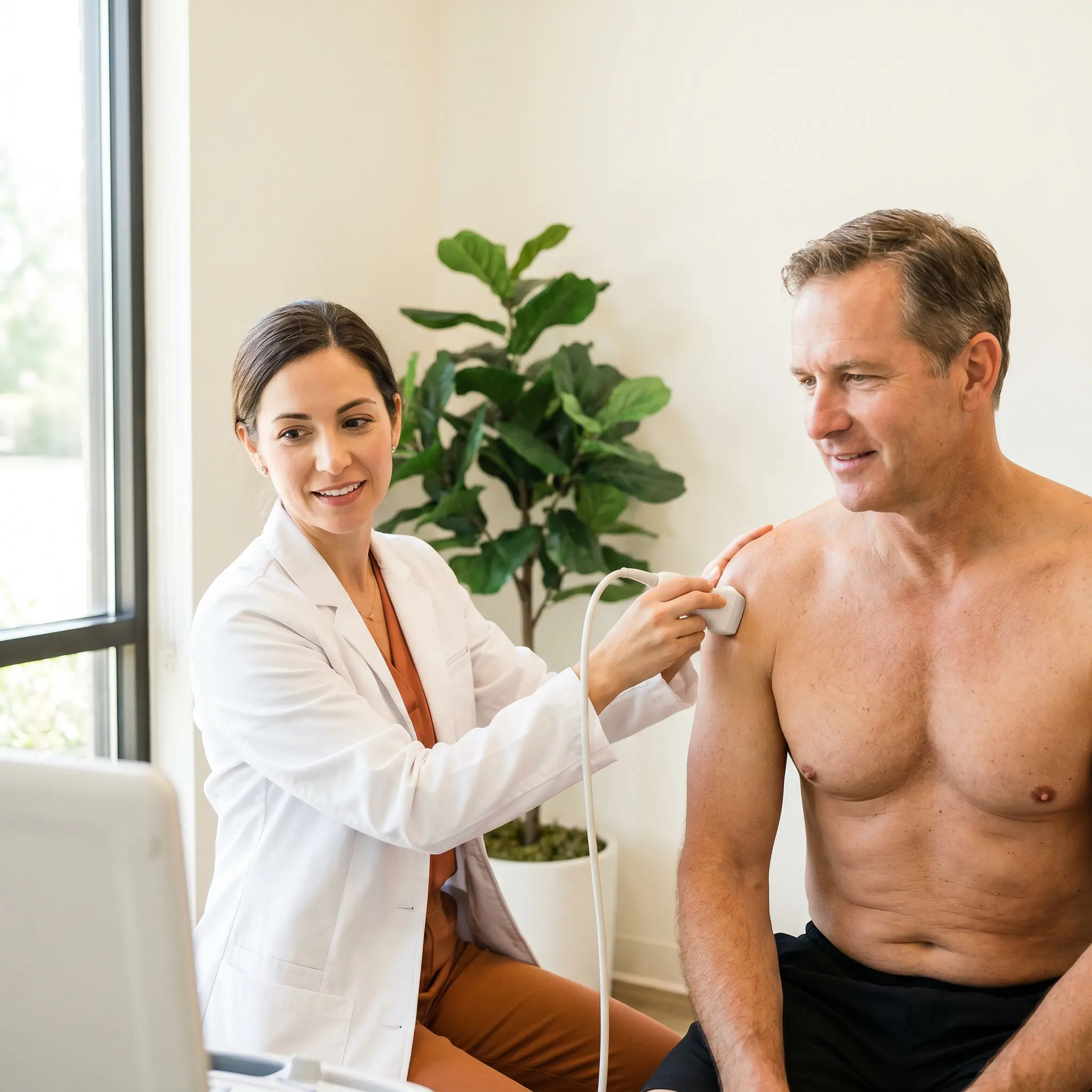
Regenerative injections target the biological healing process in your knee joint, promoting tissue repair and restoring function at the cellular level.
Four steps from first visit to documented progress. The same protocol every patient gets, regardless of how busy the clinic is.
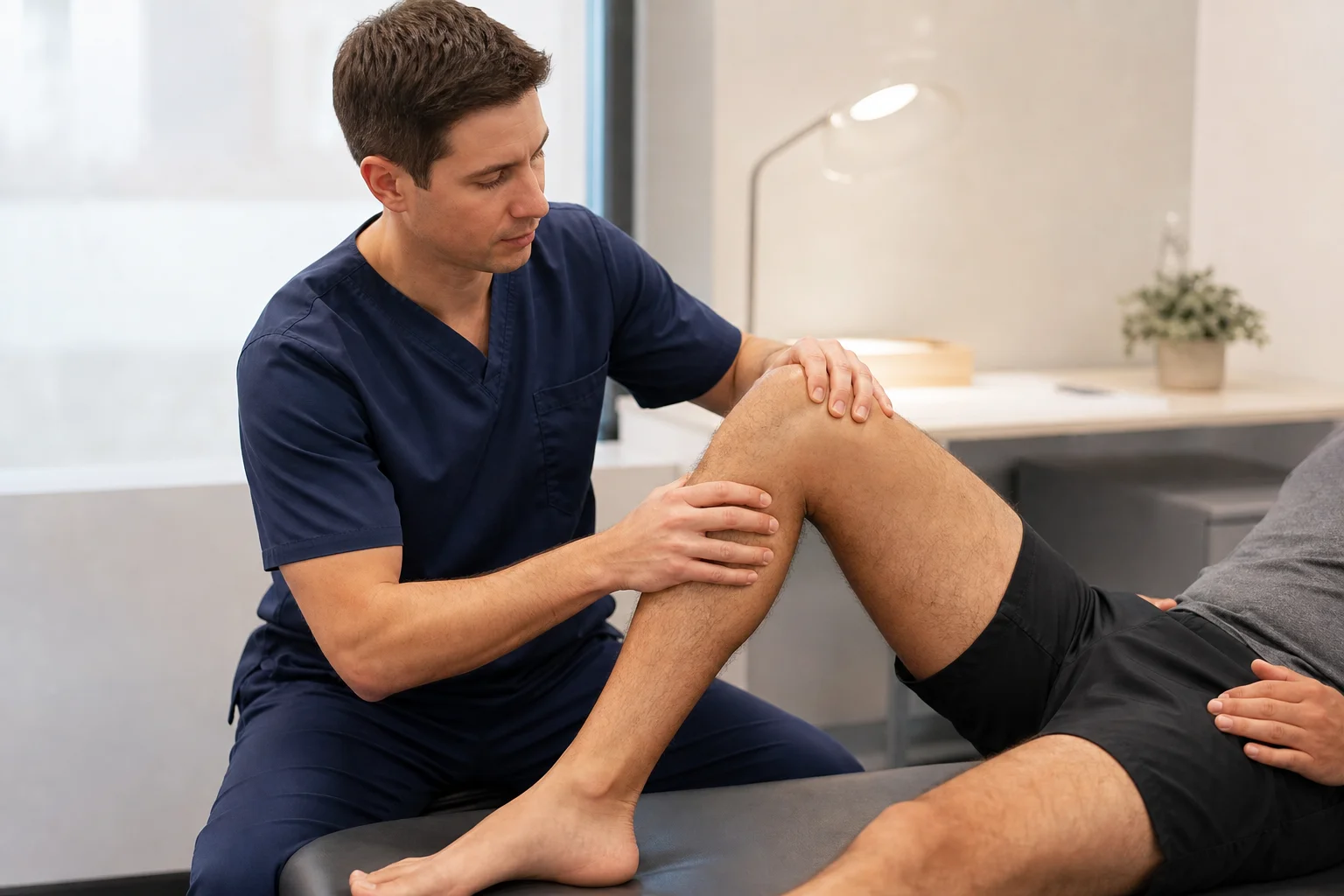
Detailed knee examination including ligament and meniscus testing, functional movement assessment, and kinetic chain evaluation of the hip, ankle, and spine.

Review of existing imaging or referral for MRI and X-ray to assess cartilage, ligament, and meniscus integrity. Imaging guides treatment selection.
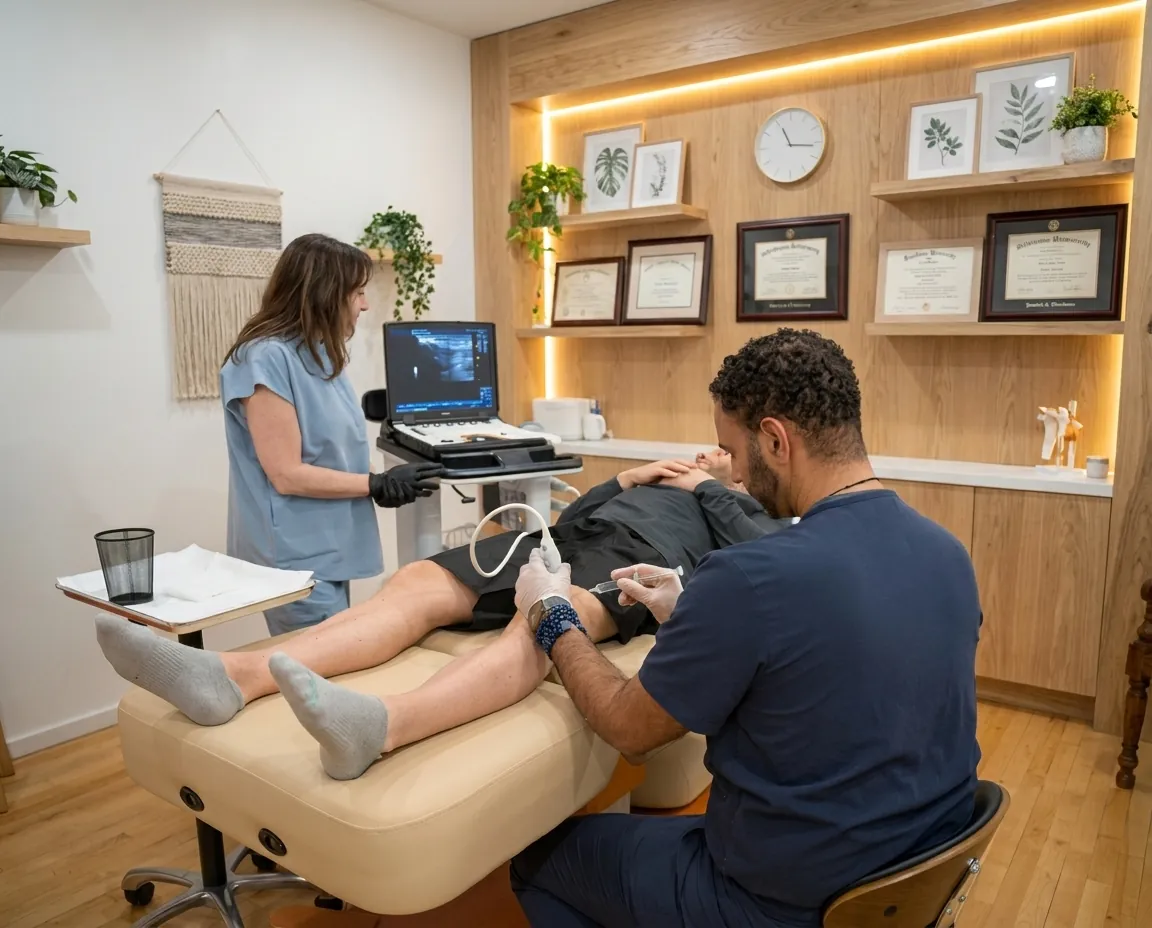
A clear plan combining regenerative therapies, rehabilitation exercises, and lifestyle modifications tailored to your diagnosis and activity goals.
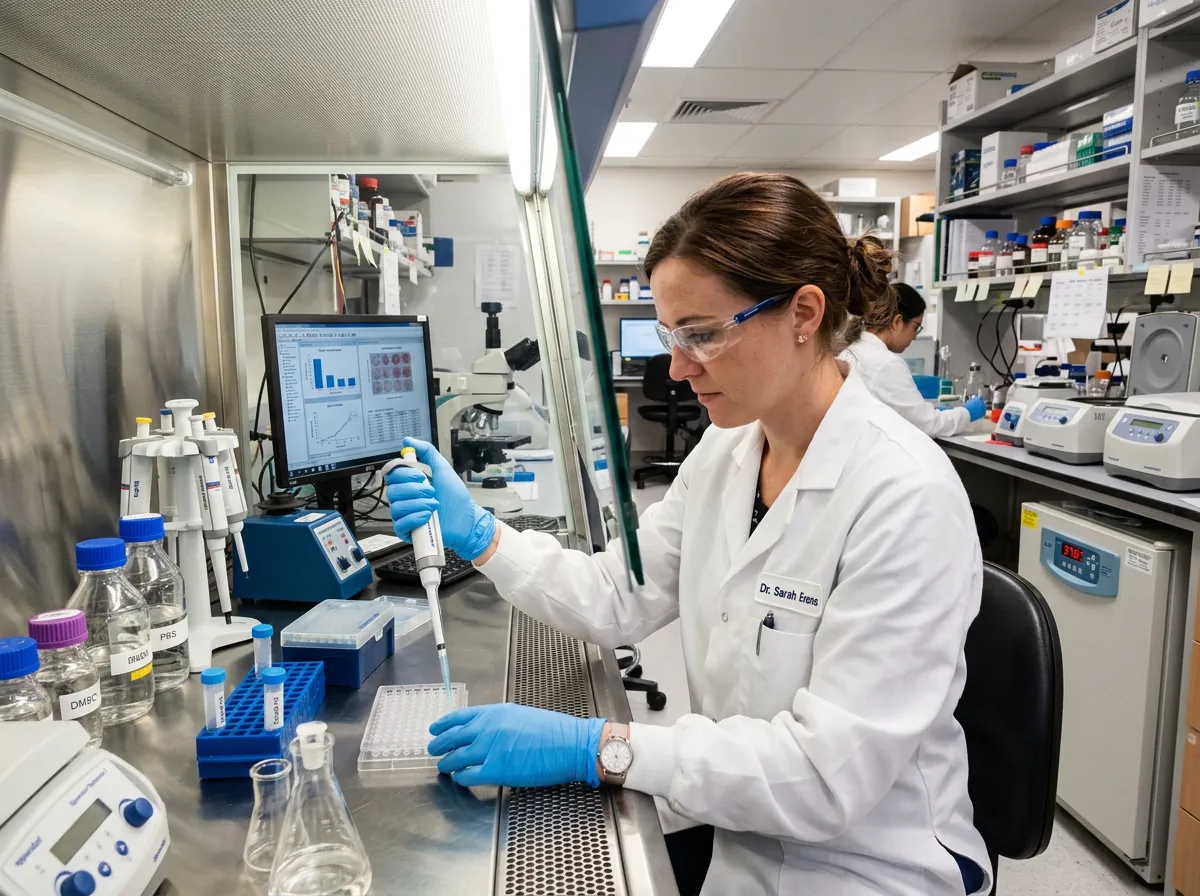
Regular reassessment of pain levels, range of motion, strength, and functional ability to confirm improvement and refine your treatment plan.
Schedule your evaluation at Prince Health in The Woodlands, TX. We assess your knee, identify the root cause, and determine whether regenerative options are right for you.
In many cases, yes. Regenerative medicine and stem cell therapy can support tissue repair and reduce inflammation without surgical intervention. A thorough diagnostic evaluation determines whether non-surgical options are appropriate for your specific condition.
The best approach depends on the cause. Osteoarthritis, ligament injuries, and meniscus damage each require different treatment strategies. We identify the specific source through imaging and functional assessment, then build a targeted plan that may include regenerative therapies, joint support, and rehabilitation.
Minor knee pain from overuse may resolve with rest and ice. Persistent or recurring knee pain usually indicates a structural issue that worsens without treatment. Early intervention with regenerative medicine can prevent further joint deterioration.
Ice, elevation, and anti-inflammatory protocols provide short-term relief. For lasting results, we address the underlying inflammatory drivers through regenerative therapies that support tissue repair rather than just masking symptoms with medication.
Stem cell therapy has shown promising results for knee osteoarthritis and cartilage damage by promoting tissue regeneration at the cellular level. We evaluate each patient to determine candidacy based on the type and severity of joint damage.
Treatment costs depend on the specific therapies recommended for your condition. We provide transparent pricing during your consultation. Many patients find that investing in regenerative approaches reduces the long-term cost of ongoing pain management and potential surgical intervention.
Seek evaluation if knee pain persists beyond a week, involves swelling or instability, limits your ability to bear weight, or followed an injury with a popping sensation. Knee pain that wakes you at night or is progressively worsening also warrants prompt assessment.
The classic triad is a popping or clicking sensation at the moment of injury, swelling that develops over the following 24 to 48 hours rather than immediately, and a sharp catching or locking pain when the knee twists or pivots. A fourth strong indicator is pain on the medial (inner) or lateral (outer) joint line that is reproduced when an examiner rotates the lower leg with the knee bent. If you have these signs after a twist or squat injury, get an evaluation. Early imaging helps determine whether regenerative medicine is appropriate or whether surgical consultation is warranted.
The hip, spine, and metabolic load all influence what your knees feel each day. These are the related conditions we frequently treat alongside knee pain.
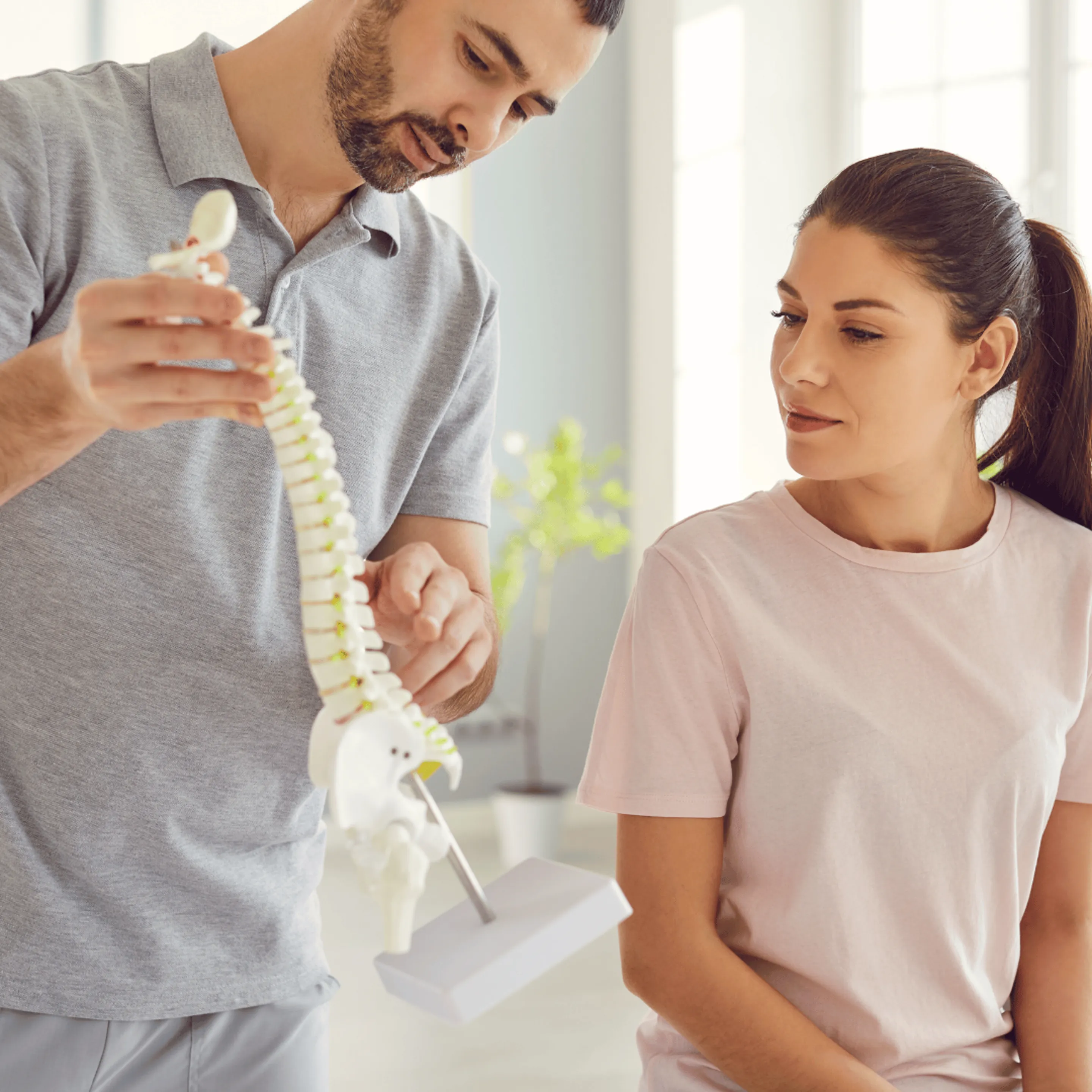
Root-cause evaluation and treatment for low back pain through chiropractic correction, decompression, and regenerative therapies that address the source of pain.
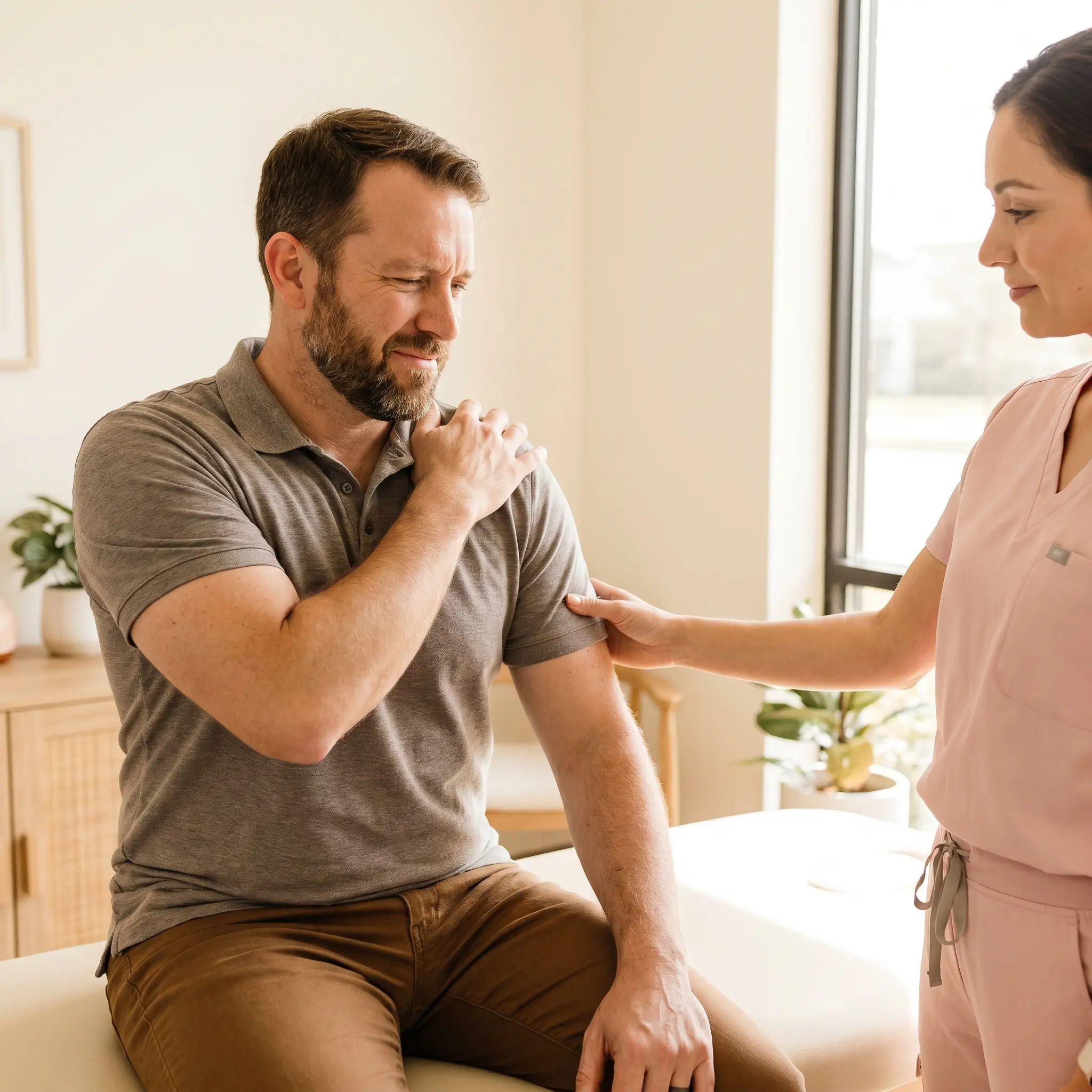
Targeted evaluation and treatment for shoulder pain including rotator cuff issues, frozen shoulder, impingement, and repetitive strain injuries.

Comprehensive evaluation and treatment for acute and chronic neck pain through spinal alignment, soft tissue therapy, and nervous system restoration.
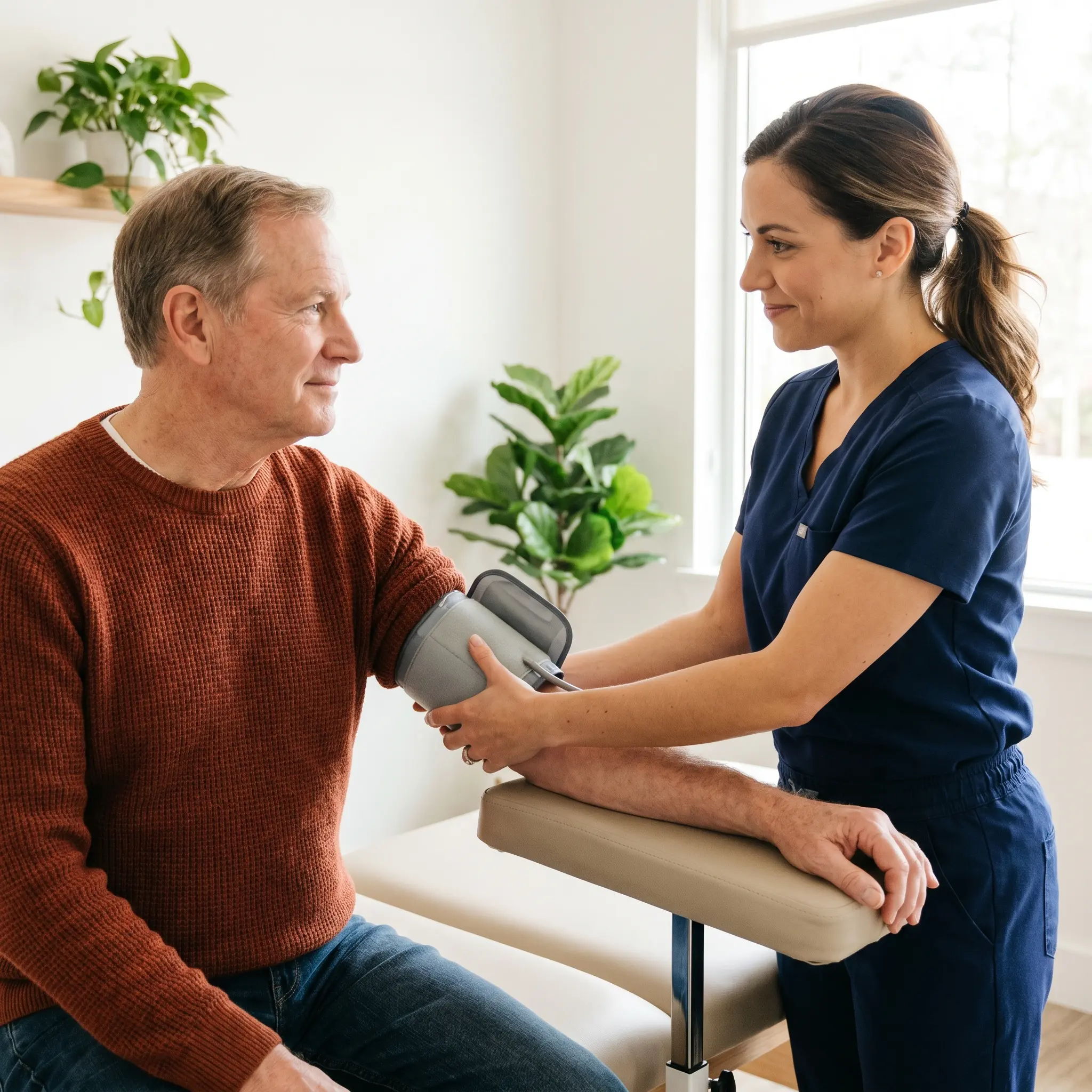
Root-cause evaluation and management of hypertension through functional medicine, advanced lab testing, and personalized lifestyle and therapeutic protocols.
Our office is located at 10847 Kuykendahl Rd #350 in The Woodlands, TX 77382, easily accessible from Woodlands Parkway, Kuykendahl Road, and the I-45 corridor.
We serve patients from Alden Bridge, Cochran's Crossing, Creekside Park, Sterling Ridge, Panther Creek, Grogan's Mill, and surrounding communities.
10847 Kuykendahl Rd #350
The Woodlands, TX 77382
Schedule your appointment at Prince Health in The Woodlands, TX. We listen first, evaluate thoroughly, and build a plan that fits your goals.