Skip to content $37 New Patient Special
Condition · The Woodlands, TX

Heart Disease Treatment in The Woodlands, TX

A heart disease diagnosis can feel like a life sentence. You take the medications, follow the diet advice, keep your appointments. The numbers barely move and nobody explains why. Our team looks at the cardiovascular risk factors your standard panels miss and builds a supportive plan that works alongside your cardiologist, not in place of one.

Risk factors

What drives heart disease.

Heart disease is rarely a single problem. It develops from overlapping risk factors that compound each other across decades. These are the drivers we evaluate at our conditions practice in The Woodlands.

Chronic Systemic Inflammation

Persistent low-grade inflammation damages blood vessel walls and accelerates plaque formation throughout the cardiovascular system. Markers like hs-CRP and homocysteine often reveal risk that cholesterol panels alone cannot detect.

Endothelial Dysfunction

The endothelium is the thin layer lining every blood vessel. When it stops functioning properly, arteries lose the ability to dilate, clot risk increases, and inflammatory cells penetrate the vessel wall more easily.

Oxidative Stress

Free-radical damage outpaces the body's antioxidant defenses, oxidizing LDL particles and accelerating plaque buildup. Glutathione, CoQ10, and vitamin C status all factor into how well the body manages this process.

Metabolic Syndrome

Insulin resistance, elevated blood sugar, abdominal weight gain, high triglycerides, and low HDL stack together into a metabolic environment where cardiovascular disease progresses faster than any single risk factor would suggest. Tobacco use, heavy alcohol intake, and family history amplify the burden.

Nutrient Deficiencies

CoQ10, magnesium, omega-3 fatty acids, and vitamin D all play direct roles in heart muscle function, blood pressure regulation, and vascular health. Statin medications further deplete CoQ10, a nutrient the heart depends on for energy production.

Chronic Stress and Cortisol

The Woodlands is home to thousands of high-pressure Energy Corridor professionals. Sustained cortisol elevation raises blood pressure, promotes visceral fat storage, disrupts sleep architecture, and accelerates arterial stiffening over time.

Warning signs

What heart disease actually feels like.

Some patients feel obvious warning signs for years. Others experience nothing until a serious event occurs. We evaluate both the symptoms you notice and the silent markers you do not.

On progression

"Heart disease is the leading cause of death in the United States. The damage builds quietly across decades, then announces itself in a single afternoon."

The conventional model focuses on managing the catastrophic events. The integrative layer focuses on the inflammatory, metabolic, and nutritional drivers that quietly determine whether those events ever happen at all.

  • Chest pressure, tightness, or discomfort during exertion
  • Shortness of breath with activities that were once easy
  • Unusual fatigue or exhaustion that rest does not resolve
  • Heart palpitations, racing heartbeat, or skipped beats
  • Swelling in the ankles, feet, or lower legs
  • Dizziness or lightheadedness during physical activity
  • Declining exercise tolerance over weeks or months
  • Pain radiating to the jaw, neck, shoulder, or left arm
  • Cold sweats paired with chest discomfort
Why Prince Health

Cardiologist coordination.
Targeted root-cause support.

Standard cardiology focuses on medication management and procedural intervention. Those things save lives. They also leave a wide lane of modifiable risk factors unaddressed. We evaluate the inflammatory markers, metabolic dysfunction, nutrient deficiencies, and lifestyle patterns that fuel disease progression, then build a plan to target each one.

01 / Testing

Whole-system cardiovascular testing.

We go past total cholesterol. Our panels measure inflammatory markers, insulin sensitivity, oxidative stress indicators, nutrient levels, and vascular function markers that paint a complete cardiovascular picture.

02 / Therapies

Targeted therapeutic support.

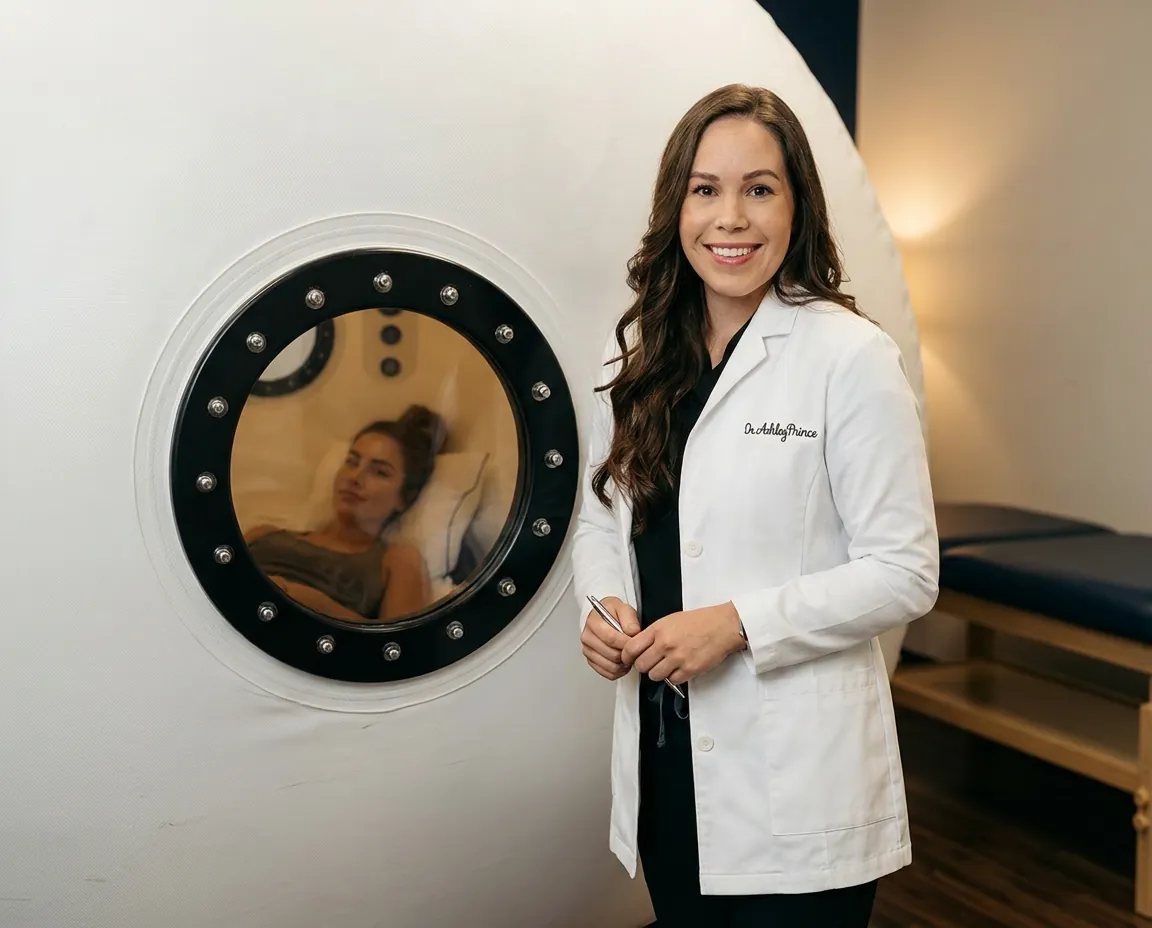
PlaqueX IV therapy supports cell membrane integrity and lipid metabolism. HBOT increases dissolved oxygen in the bloodstream and may help reduce vascular inflammation. These complement your cardiologist's plan.

03 / Coordination

Cardiologist coordination.

We share labs, progress reports, and protocol updates directly with your cardiologist. Every decision we make is designed to support your existing care team, never to compete with it.

Understanding your condition

Understanding heart disease.

A broad category of conditions that affect the heart's structure, electrical system, valves, or blood supply. Supported at Prince Health with PlaqueX IV therapy, hyperbaric oxygen therapy, and functional medicine to address the modifiable drivers your cardiologist's medications cannot fully reach.

Heart disease is not a single condition. It is an umbrella term covering coronary artery disease, heart failure, arrhythmias, cardiomyopathy, valvular disorders, and peripheral vascular disease. Each type has distinct mechanisms and progression patterns. What they share is a set of overlapping drivers: chronic inflammation, metabolic dysfunction, oxidative stress, and nutrient imbalances that conventional care frequently undertreats.

The conventional approach saves lives. Statins, blood pressure medications, anticoagulants, and surgical interventions are critical for many patients. The gap is in what happens between appointments. The inflammatory cascade, the insulin resistance, the depleted CoQ10 from statin therapy, the magnesium deficiency contributing to arrhythmia risk. These factors rarely receive the attention they deserve in a 15-minute follow-up.

Integrative cardiovascular support fills that gap. PlaqueX IV therapy delivers phosphatidylcholine to support arterial wall health and lipid metabolism. Hyperbaric oxygen therapy increases dissolved oxygen in plasma, supporting tissue repair in oxygen-starved cardiovascular tissue. Functional medicine evaluation identifies the metabolic and nutritional drivers that standard panels miss entirely.

Heart disease responds to sustained, multi-pathway intervention. A 2017 study in The Lancet demonstrated that addressing multiple modifiable risk factors simultaneously produced significantly better outcomes than targeting any single factor alone. That principle guides our approach. We do not pick one lever to pull. We assess the full landscape and build a coordinated plan that runs alongside your cardiologist's care, often in parallel with related cases of coronary heart disease and high blood pressure.

Your visit

What to expect at your visit.

Four steps from first visit to documented progress. The same protocol every patient gets, regardless of how busy the clinic is.

01 / 04
Step 01

Cardiovascular Health Review

Complete cardiovascular history, current medication review, symptom timeline, family history evaluation, and lifestyle assessment covering stress, sleep, nutrition, and exercise patterns. Coordinated with your cardiologist's existing care plan.

02 / 04
Step 02

Advanced Lab Panel

Inflammatory markers, metabolic panel, cardiovascular nutrient levels, and oxidative stress indicators that build a risk profile far beyond standard cholesterol numbers.

03 / 04
Step 03

Integrative Support Plan

A personalized plan incorporating PlaqueX IV therapy, hyperbaric oxygen sessions, dietary modification, targeted supplementation, and exercise guidance. Every recommendation is shared with your cardiologist.

04 / 04
Step 04

Measurable Progress

Regular retesting of cardiovascular markers at defined intervals. We track real changes in inflammatory, metabolic, and nutrient values, then adjust the protocol accordingly.

Take the Next Step for Your Heart Health

Schedule your integrative cardiovascular evaluation at Prince Health in The Woodlands, TX. We work alongside your cardiologist to address the risk factors that standard care leaves on the table.

FAQ

Frequently Asked Questions

How can I prevent heart disease naturally?

Prevention starts with identifying your actual risk factors through advanced testing, not just standard cholesterol panels. Our functional medicine evaluation measures inflammation, insulin resistance, oxidative stress, and metabolic markers that predict cardiovascular risk more accurately than LDL alone.

What are the early warning signs of heart disease?

Early signs can include fatigue, shortness of breath during light activity, chest tightness, and reduced exercise tolerance. Many patients dismiss these as aging. Advanced cardiovascular markers often reveal risk years before symptoms appear, which is why proactive testing matters.

How does hyperbaric oxygen therapy help heart disease?

HBOT increases oxygen delivery to tissues, supports new blood vessel formation (angiogenesis), and reduces inflammation. For heart disease patients, this can improve circulation, support recovery after cardiac events, and enhance the effectiveness of other cardiovascular therapies.

What does PlaqueX therapy do for heart health?

PlaqueX IV therapy delivers phosphatidylcholine to support arterial wall integrity and healthy lipid metabolism. It has been used in European cardiovascular medicine for decades as a complement to standard care for patients with arterial plaque buildup.

Does insurance cover heart disease functional medicine evaluation?

Standard cardiac testing and office visits are typically covered. Advanced functional medicine panels and IV therapies may require out-of-pocket payment depending on your plan. We provide clear pricing before any services are rendered.

Is integrative heart support safe if I take blood thinners or statins?

Yes. We review all current medications and coordinate with your cardiologist before recommending any therapies. Our protocols are designed to work alongside conventional treatment. We never advise stopping prescribed cardiac medications without your cardiologist's direct involvement.

Can you live a normal life with heart disease?

For most patients, yes. A heart disease diagnosis is not the end of normal life — it is a signal to know your numbers, manage your risk factors actively, and get on a sustainable plan. That means addressing tobacco and alcohol use, body weight, sleep, stress, and the inflammatory and metabolic drivers that conventional care often does not measure. Many patients also see improvement in exercise tolerance and cardiac function over time when these layers are addressed alongside their cardiologist's treatment. We help patients stay in that "lives a normal life" category by surfacing the root-cause factors early.

Patient Reviews

What Patients Say About Prince Health

Visit Us

Prince Health in The Woodlands

Our office is located at 10847 Kuykendahl Rd #350 in The Woodlands, TX 77382, easily accessible from Woodlands Parkway, Kuykendahl Road, and the I-45 corridor.

We serve patients from Alden Bridge, Cochran's Crossing, Creekside Park, Sterling Ridge, Panther Creek, Grogan's Mill, and surrounding communities.

Office Hours

  • Monday 8:00 - 18:00
  • Tuesday 9:00 - 12:00
  • Wednesday 8:00 - 18:00
  • Thursday 9:00 - 12:00
  • Friday 8:00 - 12:00
  • Sat - Sun Closed

Contact

(281) 545-5067

10847 Kuykendahl Rd #350
The Woodlands, TX 77382

Ready to Take the Next Step?

Schedule your appointment at Prince Health in The Woodlands, TX. We listen first, evaluate thoroughly, and build a plan that fits your goals.