Hyperbaric oxygen therapy works by dissolving more oxygen directly into plasma under pressure, helping it reach tissue that standard delivery struggles to support.
When people ask how hyperbaric oxygen therapy works, they're usually trying to understand why ordinary oxygen support may not be enough. That question often comes up when recovery has stalled, symptoms keep lingering, or tissue repair doesn't seem to move forward the way it should. In those cases, the issue isn't always oxygen alone. It can also involve how well oxygen is reaching the tissue that needs it most.
At Prince Health, care starts with screening, protocol design, and clinical monitoring rather than a generic session plan. That helps make the process easier to understand, especially for patients who want a clearer explanation before deciding what to do next.
Why Standard Oxygen Delivery Can Reach a Limit
Under normal conditions, oxygen is carried mainly by red blood cells. That works well when circulation is intact and tissue demand stays within a normal range. The picture changes when swelling, inflammation, vascular compromise, or microvascular damage begins to limit delivery. Oxygen may still be present in the body, but it may not be reaching the affected area efficiently enough to support repair.
That is where hyperbaric medicine works differently. Instead of depending only on red blood cells, increased pressure allows more oxygen to dissolve directly into plasma. At Prince Health, patients who want to learn more about hyperbaric oxygen chamber care can get a clearer sense of how that delivery method, clinical screening, and protocol planning fit together.
How Hyperbaric Oxygen Therapy Works
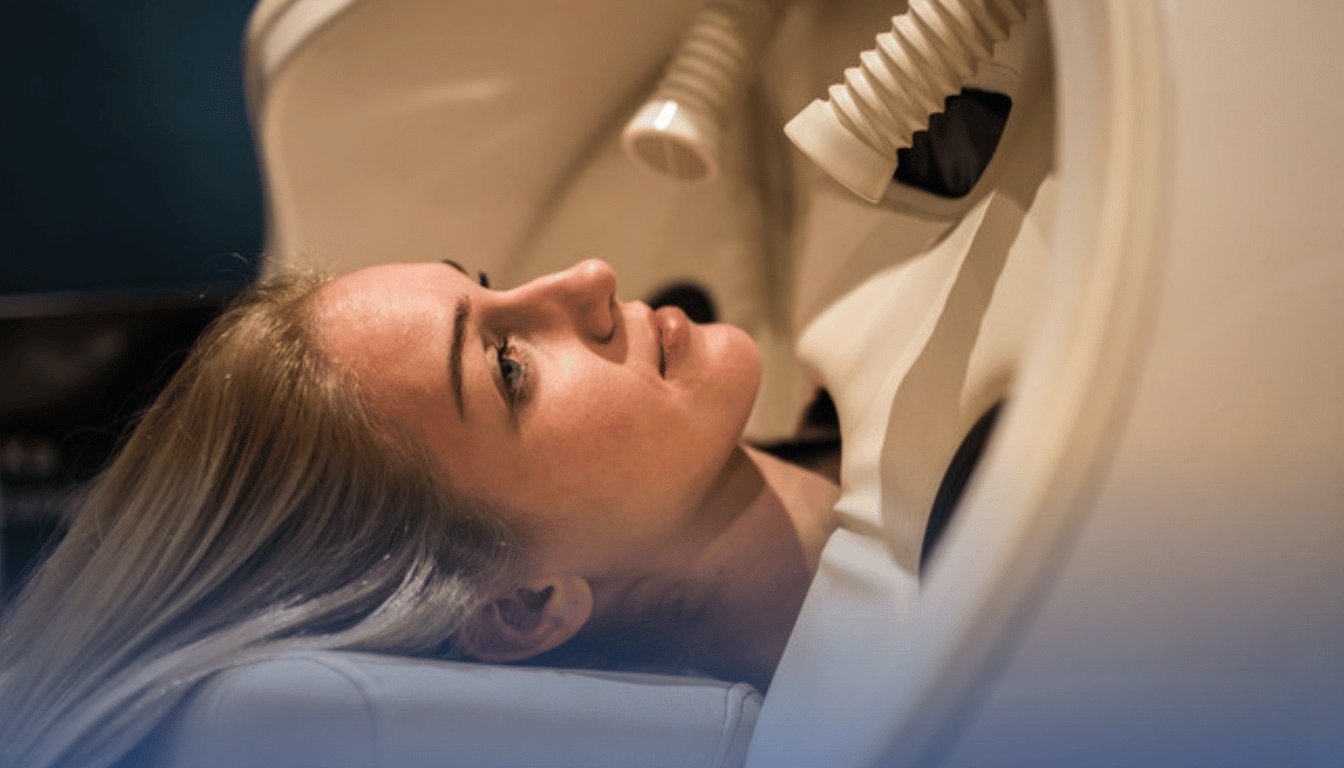
A clearer way to explain how hyperbaric oxygen therapy works is to focus on what changes under pressure. Inside the chamber, concentrated oxygen is delivered in a way that allows more of it to dissolve directly into plasma rather than relying only on red blood cells. That gives oxygen a better chance of reaching tissue that may not be receiving enough support through standard delivery alone.
In this setting, HBOT may be used to support tissue repair, help calm chronic inflammation, and assist recovery in conditions where healing has slowed. Treatment is usually organized as a protocol, with the number of sessions shaped by whether the concern is more acute or more persistent, and with reassessment built in along the way.
What Pressurized Oxygen May Support
The practical value of HBOT therapy comes from improving oxygen delivery at the tissue level. When oxygen reaches tissue more effectively, repair processes have better support. That can be relevant when healing has slowed, inflammation remains active, or vascular changes have affected normal recovery.
Sessions typically last about 45 minutes and are clinically monitored throughout. Pressure settings may also be adjusted when needed, which helps keep the treatment aligned with the patient's response instead of following a rigid routine.
Pressurized Delivery
The main difference with oxygen chamber therapy is how oxygen is delivered at the tissue level. In a pressurized environment, more oxygen can move through plasma and reach areas where normal delivery may be less effective. That can be relevant when repair has slowed or when circulation is not supporting recovery as well as it should.
Clinical Monitoring
Sessions are clinically monitored from start to finish, and pressure settings may be adjusted when needed. That added oversight helps keep the protocol responsive to the patient's condition instead of turning treatment into a fixed routine.
Coordination With Broader Care
HBOT may also be included within a broader recovery plan when the condition calls for more than one layer of support. Depending on the clinical picture, that may involve services such as IV nutrient support, ozone therapy, or functional medicine to help build a more coordinated approach.
What This Looks Like in The Woodlands
Prince Health is located at 10847 Kuykendahl Rd #350, The Woodlands, TX, with access from Kuykendahl Road, Woodlands Parkway, and the I-45 corridor. That can make treatment easier to follow when care involves repeated visits, reassessment, and protocol adjustments over time.
That practical side becomes more relevant when recovery involves more than one step. Consultation, treatment planning, the sessions themselves, and follow-up are easier to manage when the office fits the patient's routine.
What to Expect During a Consultation
Before treatment begins, the visit should help clarify what is actually going on and why hyperbaric care is being considered in the first place. That may include a review of health history, medications, safety factors, and any imaging or clinical details that help explain the condition more clearly. It should also give patients a better sense of how the protocol may be structured and what kind of response would be followed over time.
That conversation can make hyperbaric oxygen treatment feel easier to understand in practical terms. Instead of focusing only on the chamber, it helps connect the treatment to the condition, the goals of care, and the steps that may come next.
A More Useful Way to Think About HBOT
The most useful way to approach how hyperbaric oxygen therapy works is to focus on delivery, tissue access, monitoring, and fit. Those details make the treatment easier to understand and easier to evaluate in a real clinical setting. The potential HBOT benefits become clearer when the diagnosis, protocol, and follow-up all line up in a way that makes sense.
If you want to discuss that in a more specific way, the next step is to schedule a consultation and review whether this approach fits your case.
Frequently Asked Questions
How many hyperbaric oxygen sessions will I need?
The number of sessions depends on whether the concern is more acute or more persistent. Treatment is organized as a protocol rather than a fixed package, and reassessment is built in along the way so the plan follows your response instead of a rigid routine.
What does an HBOT session feel like?
Sessions typically last about 45 minutes. As pressure changes at the start and end, most people feel fullness in the ears similar to an airplane descent, which eases with swallowing or yawning. You rest inside the chamber while the session is monitored from start to finish.
Is hyperbaric oxygen therapy safe?
HBOT is generally well tolerated when screening is done first and sessions are clinically monitored. Health history, medications, and safety factors are reviewed before a protocol begins, and pressure settings can be adjusted based on your response.
What conditions is HBOT used for at Prince Health?
At Prince Health, HBOT is most often discussed for slowed tissue repair, lingering inflammation, concussion recovery, and post-viral concerns such as long COVID, usually as one layer within a broader recovery plan rather than a standalone fix.
Schedule an Appointment Today
Get optimized and highly effective care for your condition by visiting our office in The Woodlands, TX.