A vestibular condition that produces a false sensation of spinning or movement, caused by dysfunction in the inner ear, cervical spine, or vestibular nerve. Treated at Prince Health with non-pharmaceutical chiropractic care including canalith repositioning, cervical correction, and vestibular rehabilitation.
Vertigo is not the same as dizziness. General dizziness feels like lightheadedness or faintness. Vertigo specifically involves a false perception of movement, usually the sensation that you or the room around you is spinning. This distinction matters for treatment. The sensation originates from a mismatch between the vestibular system in your inner ear, the visual information your eyes provide, and the proprioceptive feedback your body sends to the brain.
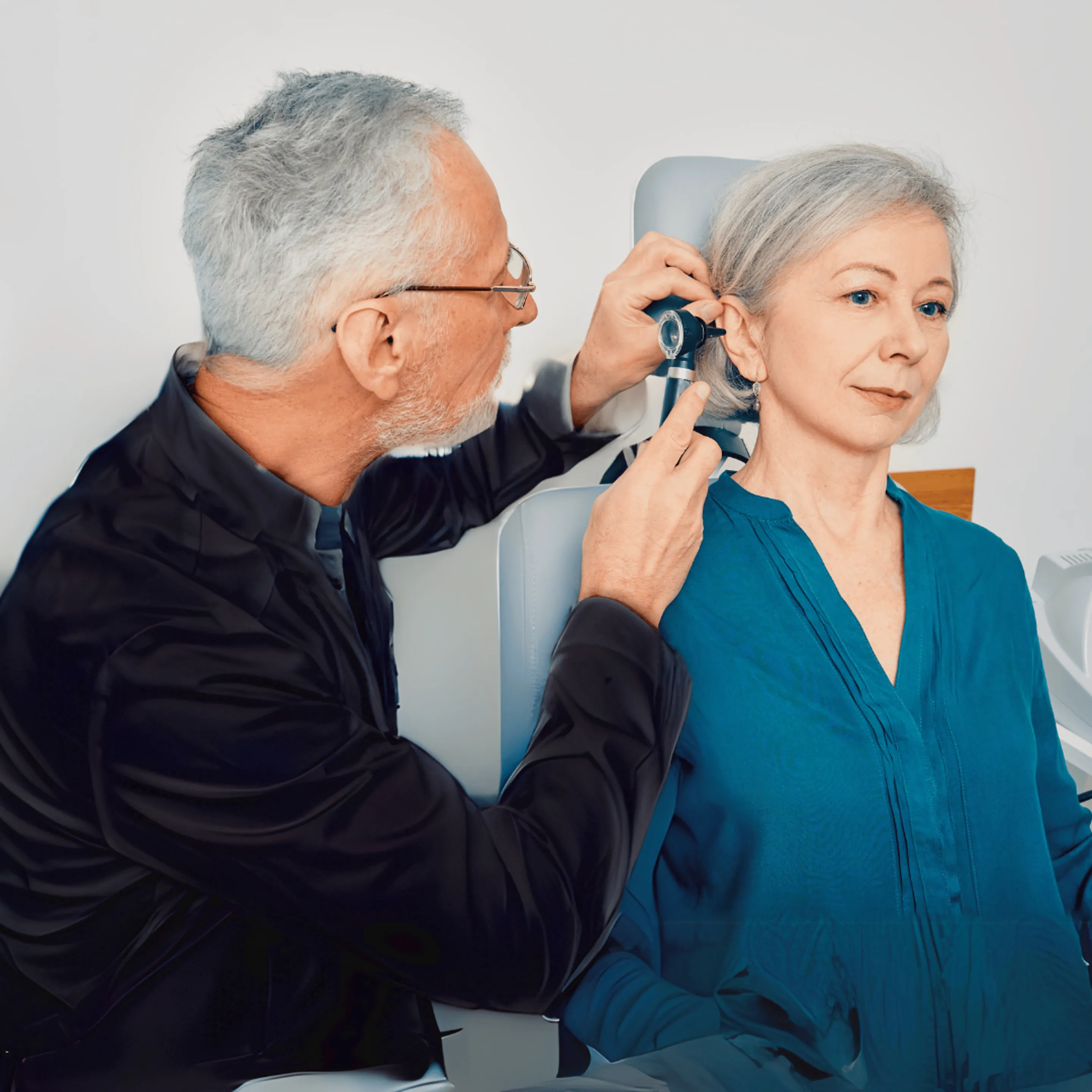
BPPV accounts for roughly half of all cases. Inside your inner ear, tiny calcium carbonate crystals called otoconia normally sit in the utricle, where they help detect gravity. When these crystals dislodge and migrate into the semicircular canals, they create abnormal fluid movement with each head position change. The brain misinterprets this as spinning. Rolling over in bed, tilting the head back, or bending forward can each trigger an episode. The good news is that BPPV responds well to repositioning maneuvers performed in the clinic.
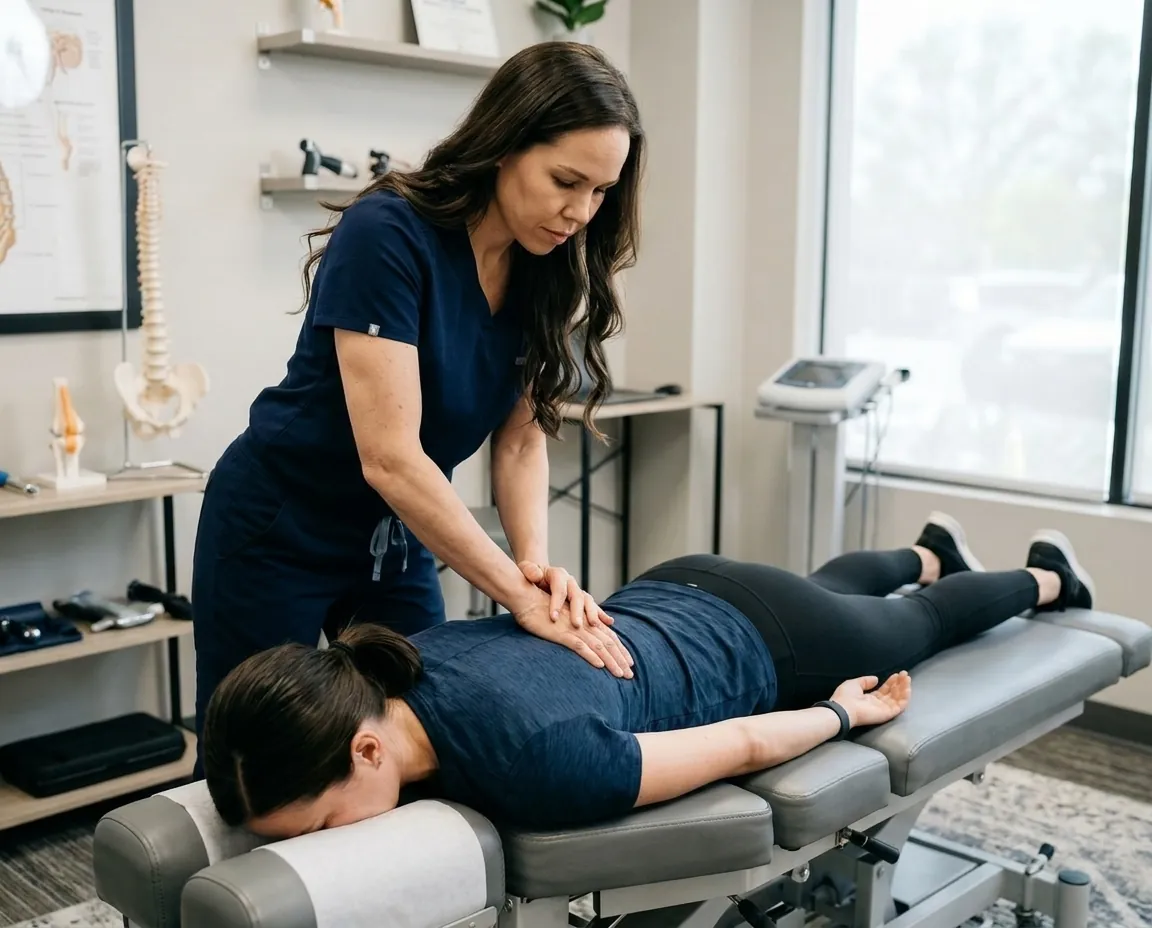
Cervicogenic vertigo is often overlooked. The upper cervical spine contains more proprioceptors per square centimeter than almost any other area in the body. These receptors tell the brain exactly where the head is positioned in space. Misalignment at C1 or C2, whether from whiplash, chronic poor posture, or degenerative changes, sends distorted proprioceptive signals. The brain receives conflicting data from the ears, eyes, and neck, and responds with dizziness. Seeing a chiropractor for vertigo restores alignment through precise upper cervical correction and resolves the sensory conflict.
Other sources require different strategies. Vestibular neuritis follows viral inflammation of the balance nerve and can take weeks to fully resolve. Meniere's disease involves fluid regulation in the inner ear. Post-concussion vestibular dysfunction disrupts the brain's ability to integrate balance data. Accurate identification of the cause is the single most important step in treatment, and our evaluation follows the same protocol used for related conditions like migraines and headaches that share cervical pathways.